FossilsUK | Blog

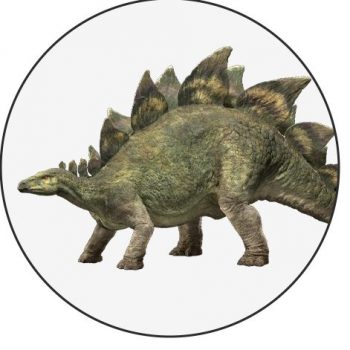
A designed image of a stegosaurus 08/04/2026

Top 10 Facts About the Stegosaurus

While you may know what the stegosaurus looks like, there’s still plenty you might not have learned. That’s why we’re here! At Fossils UK, we share the same passion for dinosaurs as you, and we want to share our knowledge so you can become a true stegosaurus expert.
06/03/2026

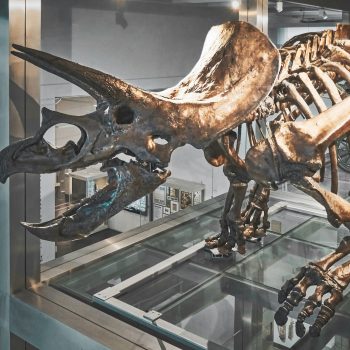
Top 10 Facts About the Triceratops

Whether you’re a budding palaeontologist or you're just starting your very first fossil collection, getting to know this "three-horned face" is the perfect place to start. Join us at Fossils UK as we uncover the top 10 facts about the incredible Triceratops and take part in our quiz to show what you’ve learned!

An asteroid crater 19/02/2026
, ,

The Chicxulub Crater: The Ultimate Guide to the Asteroid That Ended the Dinosaurs

The history of our planet is written in stone, but some chapters are punctuated by more violent events than others. Of all the milestones in Earth’s 4.5 billion-year timeline, none is more dramatic or definitive than the moment the Mesozoic Era came to a crashing halt. The primary evidence for this global cataclysm lies buried beneath the sediments of the Gulf of Mexico: the Chicxulub crater. This gargantuan scar serves as the ever-living proof of the mass extinction event that wiped out the non-avian dinosaurs and paved the way for... Read More

22/12/2025

The Ultimate Fossil Gift Guide

Are you searching for the perfect present for that dinosaur fanatic, geology student, or history buff in your life? Finding thoughtful gifts for fossil lovers can feel like a prehistoric excavation. Still, there is no need to dig any further. Whether you are shopping for a young beginner, an experienced collector, or simply someone who appreciates the beauty of natural history, you want a unique item that will truly stand out. This comprehensive list of the best fossil gifts from Fossils UK will cut through the clutter and give you... Read More

22/12/2025

How to Identify Shark Teeth

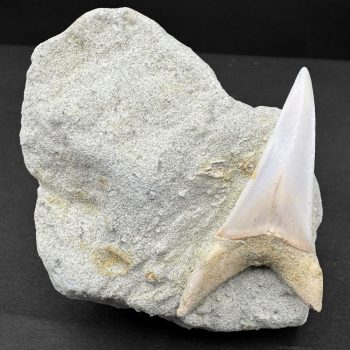
Picture this: you are enjoying a peaceful stroll along a windswept British beach. The tide is low, the shingle is glistening, and then your eye catches something small, sharp, and distinctly dark among the pebbles. Could it be nothing more than a shard of shell? Perhaps a curious piece of sea glass? Or, just possibly, have you stumbled upon a tangible link to the Mesozoic or Cenozoic era—a fossilised shark tooth? Finding a relic from one of the ocean’s most ancient and powerful predators is a thrill for any collector.... Read More

02/12/2025
,

How Can I Tell If an Ammonite Fossil is Real or Fake?

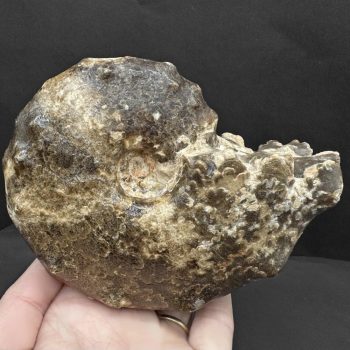
Ammonites are perhaps the world’s most recognisable prehistoric creatures, their beautiful spiral shells captivating collectors, scientists, and home decorators alike. Yet, as the popularity of these ancient molluscs grows, so too does the prevalence of counterfeits. For both seasoned palaeontology enthusiasts and first-time buyers, encountering fake ammonite fossils is becoming an increasingly difficult challenge to navigate. The market is awash with altered, fabricated, or heavily repaired specimens that can easily deceive the untrained eye. How can you, as a collector, guarantee that the magnificent spiral shell you hold is a... Read More

02/12/2025
,

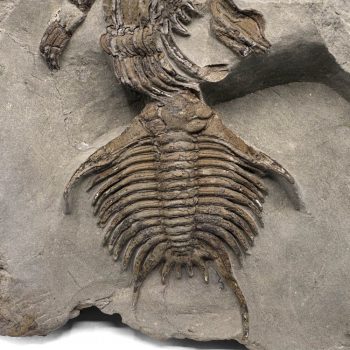
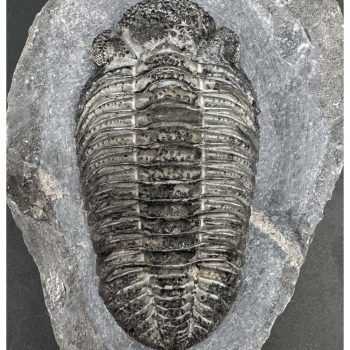
How to Identify a Trilobite (Real vs. Fake)

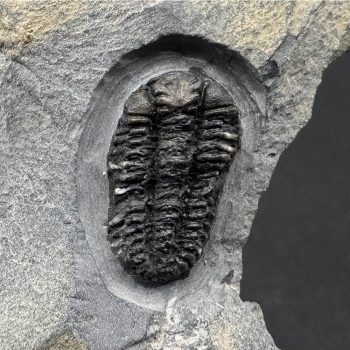
The world of fossil collecting is incredible, offering a tangible connection to the deep history of our planet. Among the most popular ancient creatures are trilobites, the fascinating, long-extinct marine arthropods. Yet, as trilobite popularity has soared, so too has the market for fakes. Fossil collectors, from enthusiastic amateurs to seasoned scientists, often face increasingly sophisticated counterfeits. Successfully distinguishing a genuine specimen from a replica is crucial for both the integrity of your collection and the pursuit of accurate palaeontology. This guide is your essential resource. By the end, you... Read More

30/09/2025

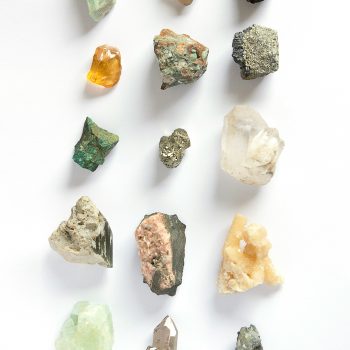
The Mohs Scale Explained – Understanding Hardness in Crystals

Identifying minerals can be surprisingly challenging. While many crystals and minerals have distinct visual properties that aid identification, this isn’t true for all. That’s where the Mohs hardness scale comes in. A simple, practical and enduring geological method for determining a mineral or crystal’s resistance to scratching or abrasion, it has been used for over 200 years to help identify minerals from around the world. At Fossils UK, we have a fascination for all things geology. In this article, we will discuss the origins of the Mohs scale, why it’s... Read More