
Lunar & Martian Meteorites
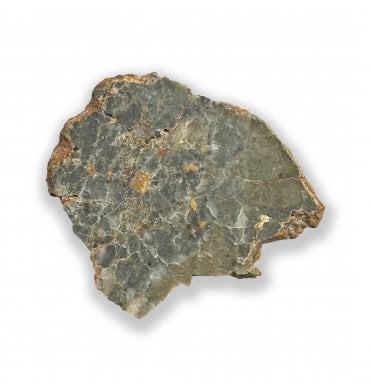
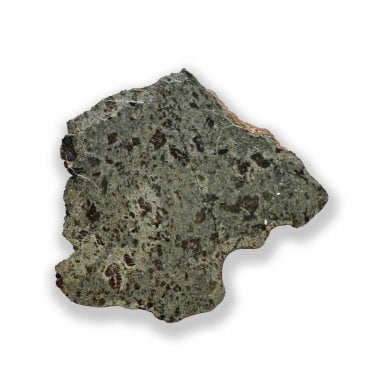
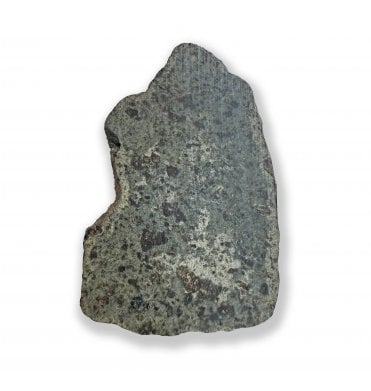
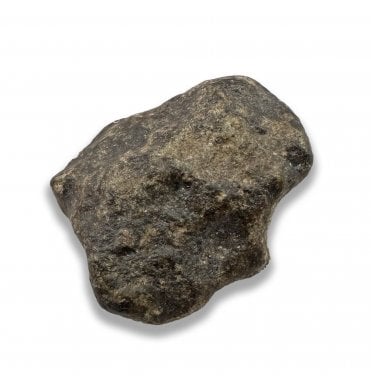
Feel closer than ever to the vastness of our solar system with our collection of fascinating lunar and Martian meteorites at Fossils UK. Space, the solar system and all the celestial bodies and planets within it are sources of great fixation and intrigue for so many of us due to the sheer uncertainty. Any verifiable information discovered is cherished, and meteorites are like gold dust. Our incredible range of rocks that have made their way to Earth from the moon and Mars provide us with a tangible connection to bodies that feel lightyears away. All meteorites in this collection are ethically sourced and hand-selected directly from finders, collectors, and dig sites. Browse a full range of meteorites for more.
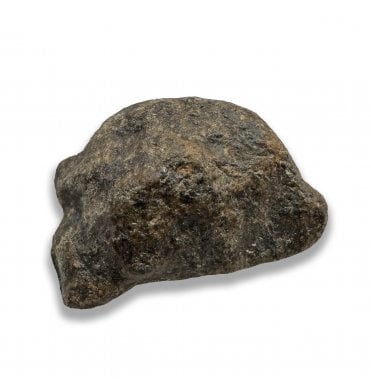
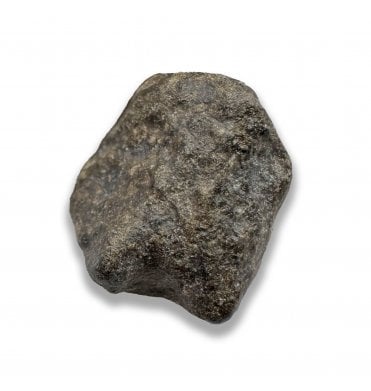
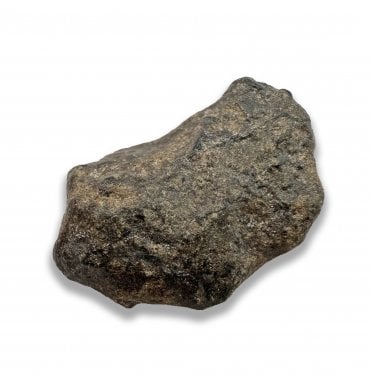
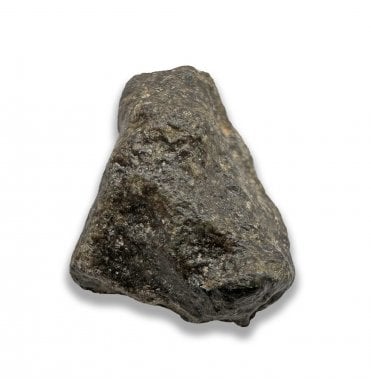
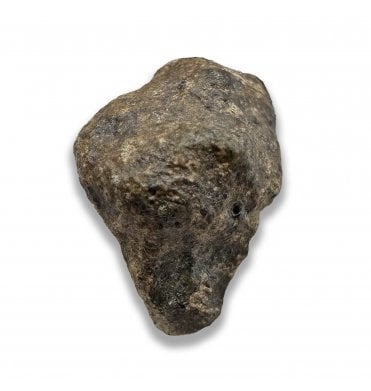
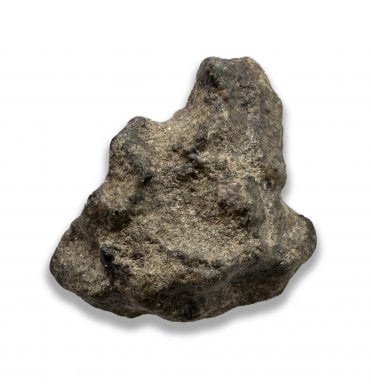
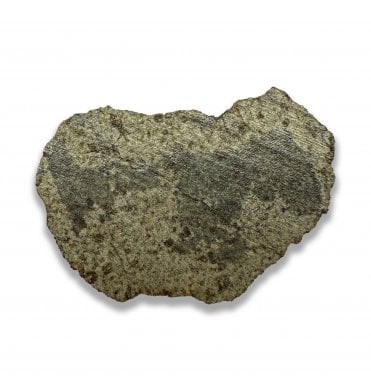
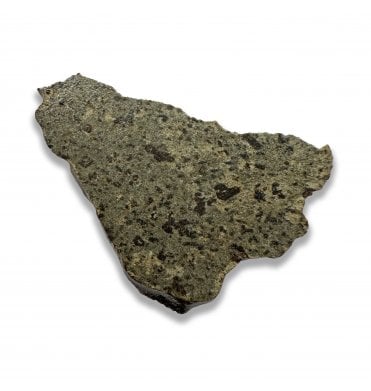
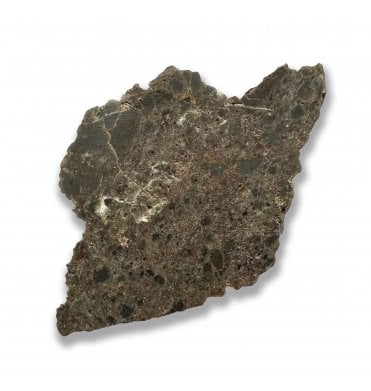
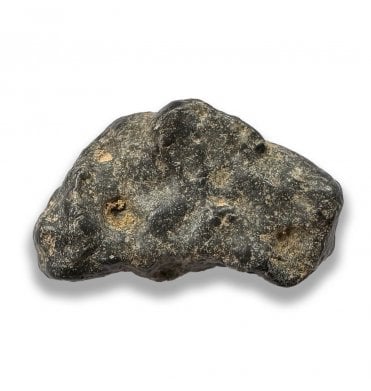
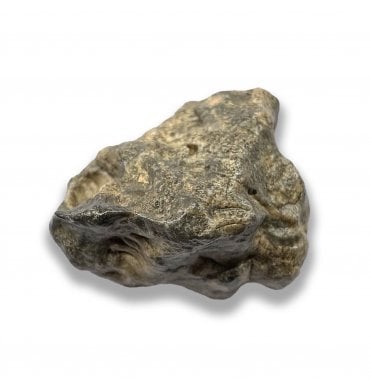
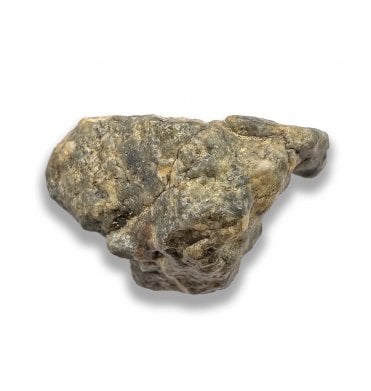
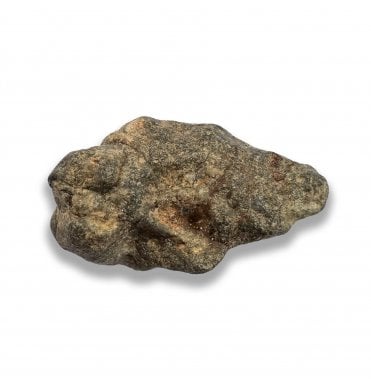
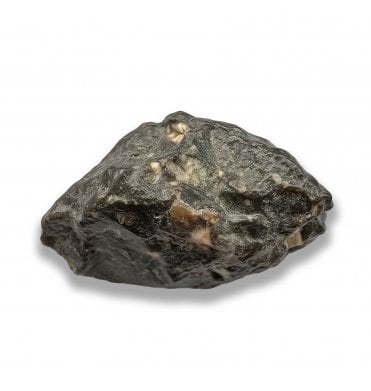
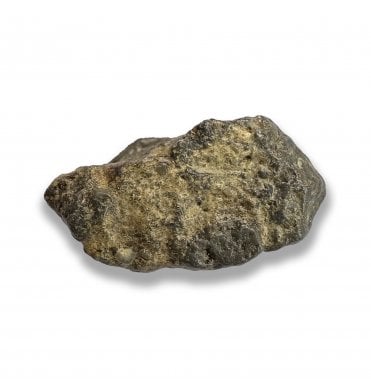
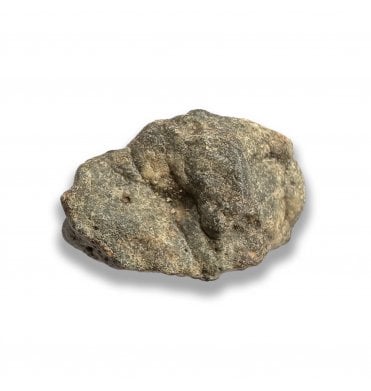
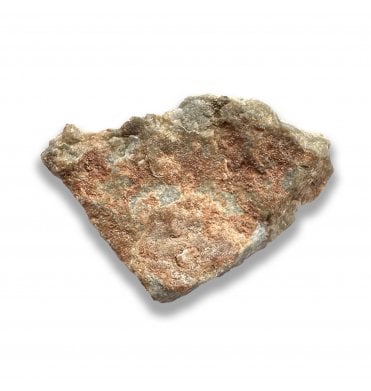
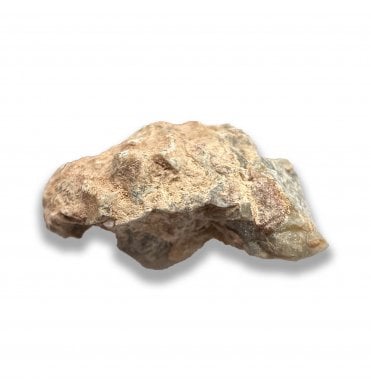
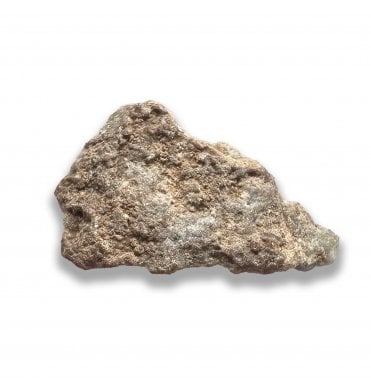
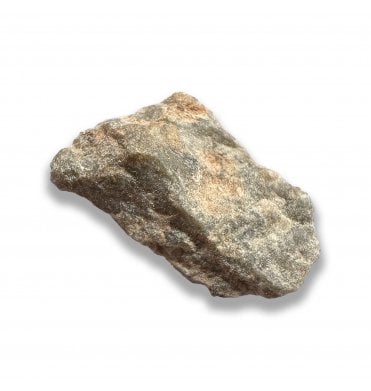
How do Martian meteorites get to Earth?
Martian meteorites are rocks formed on Mars but ejected from the planet due to an impact event. To make their way to Earth, some of these rocks traverse space, eventually entering our planet’s atmosphere, breaking up before being compelled by gravity. These broken pieces are the meteors that land on Earth and are found and analysed by scientists and finders. Our collection of Martian meteorites includes rocks sourced from North Western Africa.
How to identify a lunar meteorite
Like Martian rocks, lunar meteorites are launched from the moon via impacts that create lunar craters just a few kilometres in size. The first lunar meteorite discoveries were made in 1979 and 1982 in Antarctica. However, the ‘79 finding was only verified after the ‘82 discovery. The Japanese scientists who came across the initial rocks only realised they had found lunar meteorites after Brian Mason attributed John Schutt’s 1982 finding to the moon. Identifying a lunar meteorite involves carefully analysing the body of the rocks, particularly looking for a highly frothy and vesicular fusion crust.