
The Complete Collector’s Guide to Fish Fossils
When collectors envision prehistoric life, towering dinosaurs or woolly mammoths often dominate the conversation. Fish fossils frequently fall under the radar in many collecting circles, which is a massive missed opportunity. Aquatic specimens provide an equally captivating insight into the world before our time. They document millions of years of evolutionary history hidden beneath ancient waves, capturing moments of life and death frozen in stone.
At Fossils UK, fish specimens represent some of the oldest and most remarkable pieces in our entire catalogue. Whether you are a seasoned palaeontology enthusiast or a curious beginner looking for your first piece, understanding these ancient marine creatures can completely transform your display. This blog will teach you exactly how important and valuable these aquatic treasures can be to your wider collection.
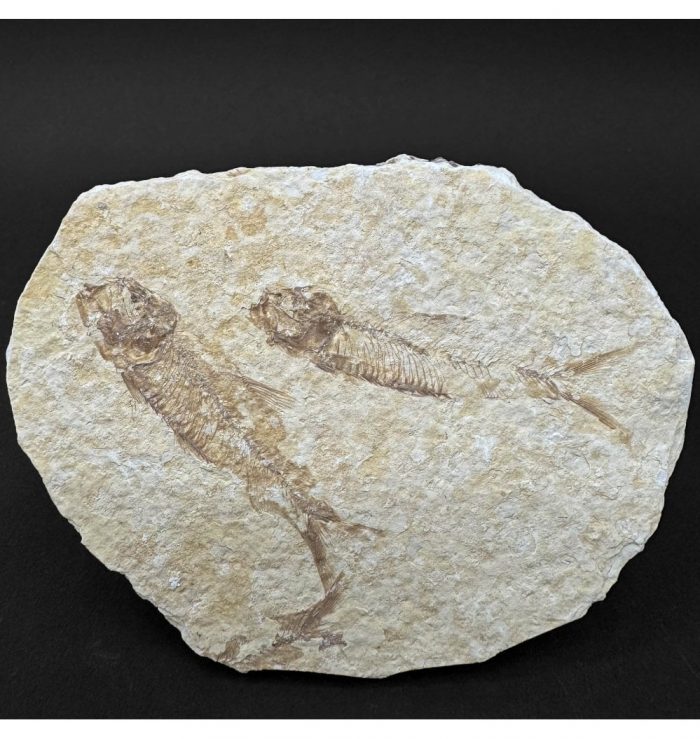
Table of contents
- How experts discover and identify fish fossils
- The Green River Formation
- Other common fish fossil hotspots
- Fish fossil grading explained
- How are fish fossils prepared for collection and display?
- Build your fish fossil collection with Fossils UK
How experts discover and identify fish fossils
Palaeontologists and commercial collectors do not simply stumble upon flawless fish skeletons. Discovering these aquatic relics requires a deep understanding of geology and historical environments. Experts focus their searches on sedimentary rocks formed in ancient lakes, lagoons, and shallow seas. These specific locations offered the perfect anoxic conditions for preservation. A lack of oxygen at the water bottom prevented scavengers and bacteria from destroying the delicate remains before falling sediment could cover them.
Professionals carefully split layers of shale or gently tap limestone nodules to reveal the hidden fossils inside. Once a specimen is unearthed, the real challenge begins. Identifying the exact species requires immense skill and a keen eye. Experts rely on several key techniques and anatomical features to accurately classify their finds:
- Cranial bone structure: Analysing the shape of the skull, jawline, and teeth helps determine if the fish was a bottom feeder or a predatory hunter.
- Scale patterns: Different species possess distinct scale types. Palaeontologists look closely at the shape and overlap of the scales to pinpoint the exact taxonomic family.
- Skeletal articulation: Counting vertebrae and examining the spinal column provides crucial data regarding the size and movement capabilities of the animal.
- Fin placement: The precise location of the dorsal, pectoral, pelvic, and caudal fins is a primary indicator used to separate very similar-looking species.
- Comparative anatomy: Experts constantly cross-reference new discoveries with known modern and prehistoric relatives to find identical anatomical matches.
The Green River Formation
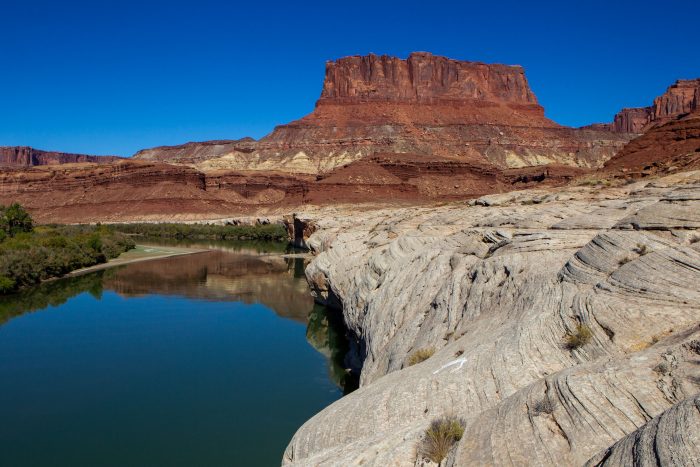
No discussion about aquatic fossils is complete without mentioning the Green River Formation. Located in Wyoming, this Eocene epoch deposit is widely considered the most important fish fossil site on the planet. Around 50 million years ago, a network of three massive subtropical lakes covered the region. As fish died, they sank into the fine lime mud at the bottom. This slow burial created a pristine fossil record that collectors highly covet today.
The formation is divided into distinct geological layers, with each offering unique preservation qualities. The region is also home to two incredibly popular fossilised species. Understanding the differences between these geological layers and species is vital for any serious collector looking to buy.
| Layer/Species | Details & Differences |
| The 18-Inch Layer | This limestone layer contains fossils with dark, highly contrasting bones against a light background matrix. Specimens here are usually isolated but boast extraordinary, museum-quality detail. |
| The Split Fish Layer | Fossils found in this laminated shale layer are often discovered in large mass mortality plates. The preservation is slightly lighter in colour, but the abundance of specimens is staggering. |
| Knightia | These are small schooling fish related to modern herrings. They rarely exceed 15 centimetres in length and are incredibly common. This makes them an excellent entry-level piece for new collectors. |
| Diplomystus | A larger predatory fish characterised by its distinctly upturned mouth and deep body structure. They are much rarer than Knightia and command a higher value among advanced collectors. |
Other common fish fossil hotspots
While Wyoming dominates the North American market, several other global hotspots produce spectacular aquatic specimens. Each location offers distinct preservation methods and challenges for the collector.
The Solnhofen Limestone – Germany
The Solnhofen Limestone in Germany is globally renowned. Dating back to the Jurassic period, this fine-grained limestone preserves prehistoric fish with breathtaking clarity. Solnhofen specimens often show soft-tissue outlines and delicate fin rays. Because the rock matrix is so remarkably smooth, these pieces hold immense aesthetic appeal. They are significantly rarer than Green River finds and therefore command a much higher premium.
Haqel & Hjoula – Lebanon
Lebanon is another premier destination for fossil enthusiasts. The limestone quarries of Haqel and Hjoula contain a vast array of Cretaceous marine life. Lebanese fish are famous for their rich brown colouration against a pale cream matrix. You will frequently find ancient rays, sharks, and early teleost fish here. The sheer diversity found in Lebanon makes these pieces highly important to researchers. They sit comfortably between Green River and Solnhofen in terms of rarity and average market value.
The Kem Kem Beds – Morocco
The Kem Kem Beds in Morocco offer a completely different collecting experience. Instead of perfectly articulated skeletons trapped in limestone, this region yields isolated teeth, jaws, and rostrum parts from massive Cretaceous river monsters. The most prevalent finds include the saw-like teeth of the giant prehistoric sawfish Onchopristis. These rugged pieces are relatively abundant and budget-friendly, appealing heavily to collectors who favour large predatory species over delicate skeletons.
Fish fossil grading explained
Understanding how these pieces are valued is essential before you buy. Fish fossils do not receive a universal alphabetical grade like trading cards or coins. Instead, experts evaluate them based on a strict set of preservation criteria.
To receive the highest-quality grading, a specimen must be almost entirely complete. The skull, spine, and delicate tail fins must be intact and fully articulated. This means the bones remain in the exact position they held while the creature was alive. Any scattering or crushing of the skeleton severely diminishes the overall value.
Contrast is another massive factor for grading. The most expensive and desirable pieces feature dark, bold bones that stand out sharply against a clean background rock. Finally, top-tier specimens must be completely natural. While minor touch-ups are acceptable in commercial palaeontology, fossils that have been heavily painted or pieced together from multiple different fish lose their premium status entirely.
How are fish fossils prepared for collection and display?
Turning a rough rock into a beautiful display piece takes immense patience. Fish fossils are famously delicate, meaning one wrong move can destroy millions of years of history. The preparation process generally follows a strict sequence.
- Extraction: Slabs of rock are carefully cleaved open along natural fault lines using a hammer and chisel to expose the fossil.
- Consolidation: If the exposed bone is fragile, preparators apply a thin layer of specialised glue to stabilise the skeleton and prevent flaking.
- Mechanical Preparation: Using pneumatic tools like air scribes, experts gently chip away the remaining matrix covering the fish. This requires a microscope and incredibly steady hands.
- Finishing: A mild abrasive technique called air abrasion is sometimes used to gently blast away the final microscopic layers of dust, leaving the bone perfectly clean for display.
To learn more about fossil preparation and actually see the process in action, view our YouTube video on the topic:
Build your fish fossil collection with Fossils UK
Aquatic fossils offer a truly unique collecting experience. They provide unparalleled snapshots of prehistoric ecosystems that terrestrial finds simply cannot match. From the mass-mortality plates of the Green River Formation to the striking Jurassic predators of Solnhofen, there is a perfect specimen for every type of enthusiast. Knowing how these pieces are discovered, identified, and graded gives you a significant advantage when curating your own display.
Now that you know what to look for, it is time to find your next great piece. Whether you desire a pristine Diplomystus or a fascinating Lebanese ray, we have carefully sourced options ready for you. Take the next step in your palaeontology journey today. Browse our extensive fish fossils catalogue and build your collection with Fossils UK to bring a genuine piece of prehistoric history into your home.
Comments are closed here.