
Our Ice Age Fossils Buying Guide
Fossil collecting is a wonderfully varied hobby that offers something unique for every type of enthusiast. You might immediately picture ancient marine life or towering Mesozoic dinosaurs when you think of prehistoric remains. However, Ice Age fossils offer incredible value and fascination.
The Pleistocene epoch brings a distinct historical significance to any display. These magnificent creatures roamed the earth alongside our own human ancestors. This shared history adds deep importance for collectors worldwide. Holding a piece of a mammoth or a cave bear provides a tangible connection to a frozen world that existed just tens of thousands of years ago.
By the end of this article, Fossils UK will help you identify real value in Ice Age fossils. We will also teach you exactly how to maintain and showcase these spectacular specimens in your own private collection.
Table of contents
- Common Ice Age fossils
- How valuable are Ice Age fossils?
- What to look for in Ice Age fossils
- How experts identify Ice Age fossils
- How to preserve Ice Age fossils at home
- Add Ice Age fossils to your collection with Fossils UK
Common Ice Age fossils
Building a premium collection starts with understanding the creatures that dominated the Pleistocene landscape. Let us look at the most common animals that make up top-tier Ice Age displays.
Woolly mammoths
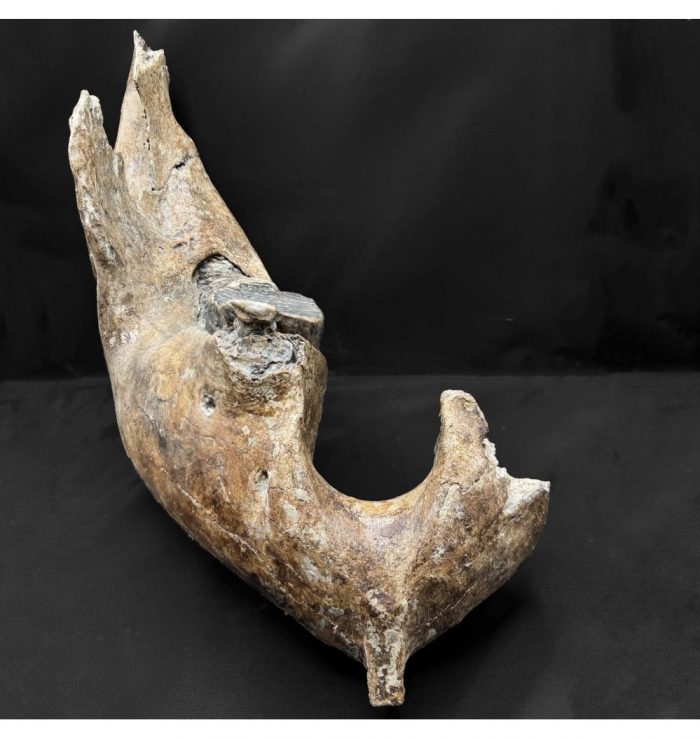
Woolly mammoths are perhaps the most iconic symbol of this frozen era. They dominated the cold tundra environments of the Northern Hemisphere. These colossal herbivores spent their days grazing on tough grasses and low-lying sedges. Today, their remains are frequently discovered locked within Siberian permafrost. Palaeontologists and commercial dredgers also pull thousands of mammoth fossils from the bottom of the North Sea in an area once known as Doggerland.
Cave bears
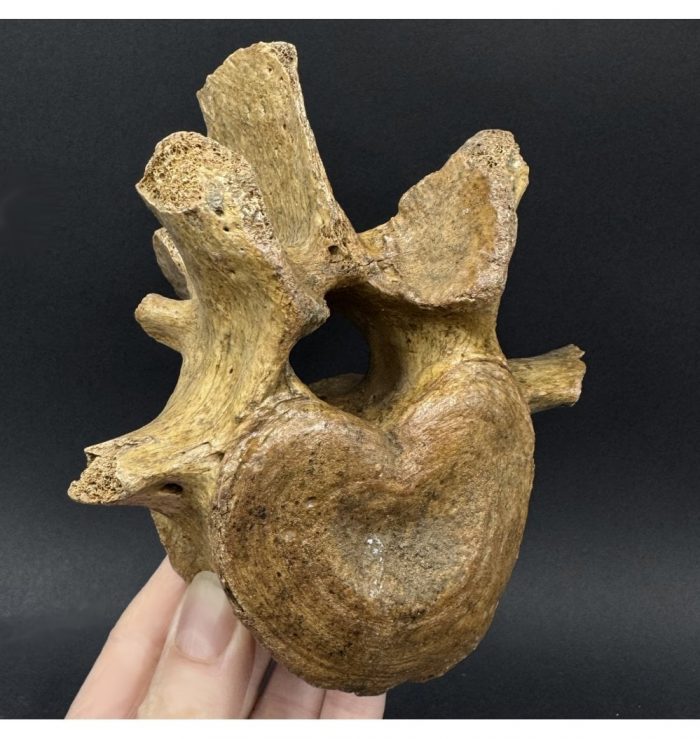
Cave bears lived widely across Europe and parts of Asia. Unlike modern brown bears, they spent a vast amount of time deep inside limestone cavern systems to survive the bitter winters. Many perished during hibernation due to old age or starvation. Because of this tragic natural cycle, experts frequently uncover massive, concentrated bone beds in these subterranean environments.
Woolly rhinos
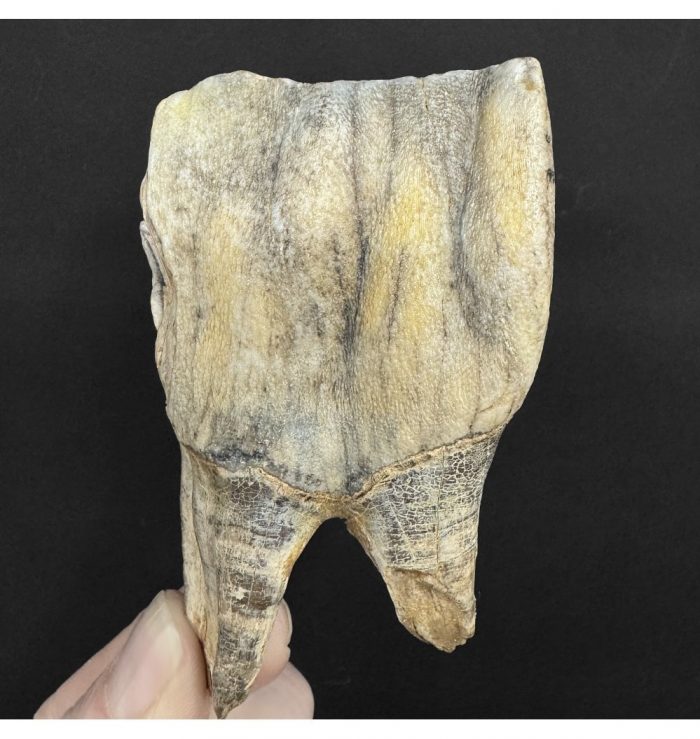
Woolly rhinos thrived in the cold, harsh grasslands alongside the mammoths. They possessed thick fur and a substantial front horn designed specifically to sweep snow away from buried vegetation. Studies suggest their habitat heavily overlapped with other large grazing mammals. Consequently, their fossils are often found in similar gravel pits, riverbeds, and icy deposits across Eurasia. This period offers a strong starting point for anyone looking to build a historically rich fossil collection.
How valuable are Ice Age fossils?
Rarity plays a major role in determining the value of any prehistoric specimen. Pleistocene remains are highly sought after because they offer an accessible entry point into fossil ownership while still providing museum-quality aesthetics. Premium pieces command high prices due to their incredible preservation and their appeal to both seasoned palaeontologists and casual history fans.
The legal ban on modern elephant ivory has also driven immense collector interest toward ethical alternatives like mammoth tusks. This shift has significantly increased the market value of pristine Ice Age specimens over the last decade.
Below is a breakdown of how the top species compare in terms of value and collector interest.
| Species | Value Level | Collector Interest |
| Woolly Mammoth | High-Very High | Exceptional. Tusks and large molars are considered premium centrepieces for any private collection. |
| Cave Bear | Medium-High | Strong. Intact skulls and articulated jawbones draw massive attention from serious mammalian fossil enthusiasts. |
| Woolly Rhinoceros | High | Very Strong. Rare complete teeth and well-preserved horns fetch premium prices due to their scarcity. |
What to look for in Ice Age fossils
Ice Age fossils differ vastly from dinosaur bones and remains from other ancient eras. Dinosaur material dates back millions of years and has turned completely into stone. Pleistocene remains are typically only tens of thousands of years old. This younger age completely changes their physical properties and dictates what you should look for when buying.
- Look: Pleistocene bones often retain their natural organic colours rather than presenting the dark, heavily mineralised tones seen in older fossils. You will frequently see earthy browns, creams, and pale tans.
- Feel: They are generally lighter and less dense than dinosaur bones. Many Ice Age specimens are technically considered sub-fossils because the original bone material has not been fully replaced by rock.
- Location of discovery: These remains are typically found in loose gravels, icy permafrost, or submerged coastal landscapes rather than being excavated from solid rock formations.
- Preservation state: Because they are not completely fossilised, they require different stabilisation techniques. Look for pieces that have been professionally treated by experts to prevent future degradation.
How experts identify Ice Age fossils
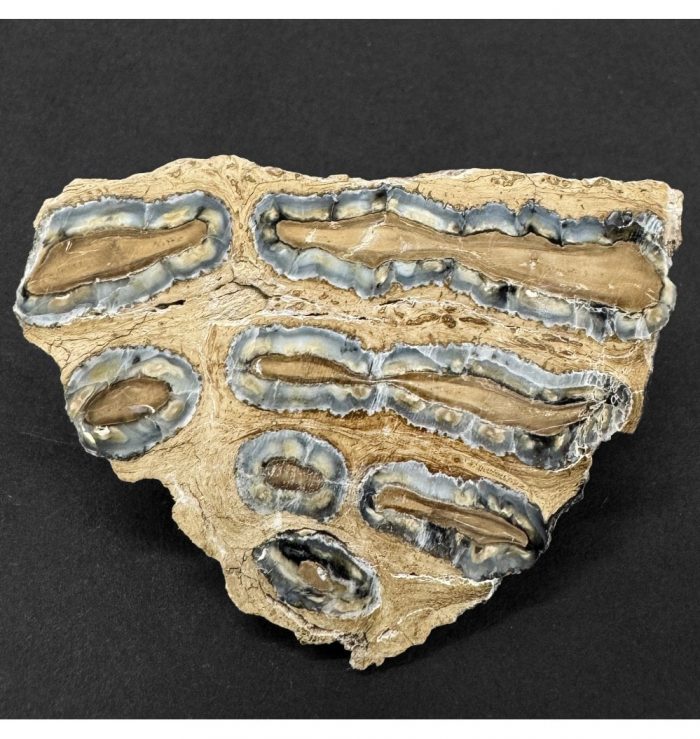
Professional palaeontologists use comparative anatomy and geological context to classify their discoveries. They study bone density, dental records, and structural wear patterns to pinpoint exactly which creature left the remains behind. Understanding these methods can help you authenticate your own purchases. You can read more about the timeline of these discoveries and prehistoric categorisation in our comprehensive Cenozoic Era guide.
Woolly Rhinoceros
- Experts look for distinct roughened patches on the nasal bones where the heavy keratin horn originally attached.
- Identification relies heavily on their high-crowned teeth, which evolved specifically for grazing on highly abrasive grasses.
- Their limb bones are uniquely stout and robust. This skeletal structure supports a heavy, low-slung frame across muddy or snowy terrain.
Cave Bear
- A steep, prominently domed forehead visually separates cave bear skulls from those of modern brown bears.
- Palaeontologists examine their teeth closely. Cave bears possessed huge canine teeth paired with surprisingly flat molars, which were adapted for a largely vegetarian diet.
- Experts often identify their remains by looking for heavily worn joints. This wear indicates a long life spent navigating uneven, rocky cave floors.
Woolly Mammoth
- Identification is famously linked to their distinctive flat molars. These teeth feature parallel ridges of enamel designed specifically to grind tough tundra vegetation.
- Experts authenticate their spiralled tusks by examining the Schreger lines. These cross-hatching patterns in the dentine distinguish mammoth ivory from modern elephant ivory.
- Their colossal limb bones feature unique articulation points that differ slightly from modern elephants, allowing them to carry immense weight across soft snow.
How to preserve Ice Age fossils at home
Without proper care, your prized pieces might begin to flake, split, or crack. Technical stabilisation is absolutely essential for long-term home displays. Moisture leaving the bone’s cellular structure is the primary cause of this degradation. When a fossil dries out too quickly, the outer layers shrink and peel away.
To combat this, professional preparators treat the bones with specialist consolidants. A common industry standard is Paraloid B-72. This acrylic resin penetrates the porous bone structure and binds the fragile fibres together without altering the fossil’s appearance. When buying Ice Age fossils, always ask whether the specimen has been consolidated.
Once the piece is in your home, environmental control becomes your top priority. Keep your fossils in a room with a stable temperature and moderate humidity. Aim for a humidity level of around 40 to 50 per cent. Also keep them away from direct sunlight and heat sources like radiators. Intense heat will rapidly draw moisture from the bone and accelerate cracking. By following these technical maintenance steps, you will ensure your collection remains pristine for generations.
Add Ice Age fossils to your collection with Fossils UK
Ice Age fossils offer a captivating glimpse into a world where giant mammals ruled the frozen landscape. We have explored the unique history of mammoths, cave bears, and woolly rhinos. You now know how to spot the difference between these younger sub-fossils and ancient dinosaur bones. Furthermore, you understand the technical steps required to keep these delicate pieces perfectly preserved in your own home.
Now is the perfect time to put this knowledge into practice and expand your display. We source exceptional, fully stabilised specimens that are ready for immediate presentation. Take the next step and browse our premium selections by visiting our Ice Age fossils collection at Fossils UK today.
Comments are closed here.