
The Collector’s Guide to Buying Meteorites: Iron, Stony, and Pallasite Classifications
Embarking on the journey of starting or improving a meteorite collection offers a profound connection to the universe beyond our current comprehension. Holding a genuine fragment of a distant asteroid is a thrilling experience for both novice enthusiasts and seasoned collectors alike. However, successfully navigating this unique market requires more than just passion.
The value of these space rocks depends heavily on their specific classifications and the rigorous grading criteria applied by experts. Factors such as structural stability, rarity and aesthetic appeal directly dictate how much a specimen is worth. At Fossils UK, we are dedicated to sharing our expertise to help you make informed decisions. By the end of this article, we will have educated you on exactly what to look for, empowering you to build a truly valuable and authentic meteorite collection.
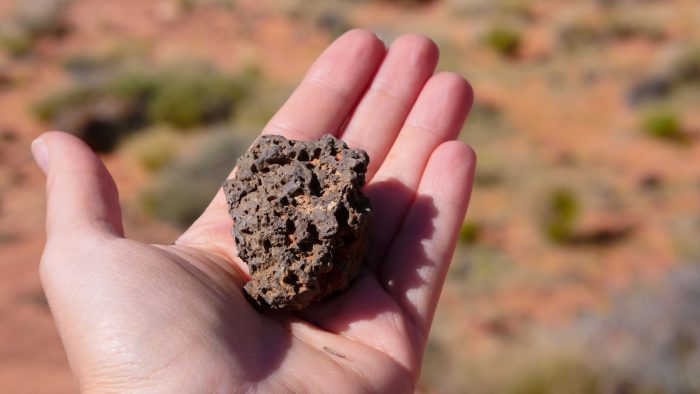
Table of contents
- Where do meteorites come from?
- How are meteorites identified?
- Grading criteria for meteorites
- Unique meteorite features collectors look for
- Build your meteorite collection with Fossils UK
Where do meteorites come from?
Meteorites are solid pieces of debris from objects such as comets, asteroids or meteoroids that originate in outer space. They survive their passage through the atmosphere to reach the surface of our planet. Most meteorites found on Earth come from the asteroid belt located between Mars and Jupiter. Scientists and planetary geologists suggest that these rocks are leftover fragments from the early formation of our solar system billions of years ago.
Occasionally, massive impacts on the Moon or Mars eject material into space which eventually finds its way to Earth. Popular studies from leading space agencies continually analyse these fragments to better understand planetary evolution. Whether they break off from ancient celestial bodies or are the result of cosmic collisions, these fascinating rocks offer a tangible link to the vast universe beyond our atmosphere.
How are meteorites identified?
Experts rely on a combination of visual inspections and chemical tests to identify true meteorites and distinguish them from ordinary Earth rocks. The identification process involves looking closely at the density, magnetic properties and internal structures of the specimen. If you want to dive deeper into the general science of these cosmic visitors, we highly recommend reading more in our guide on how to identify a meteorite. To truly understand what you are buying, you must familiarise yourself with the three main classifications.
Iron meteorites
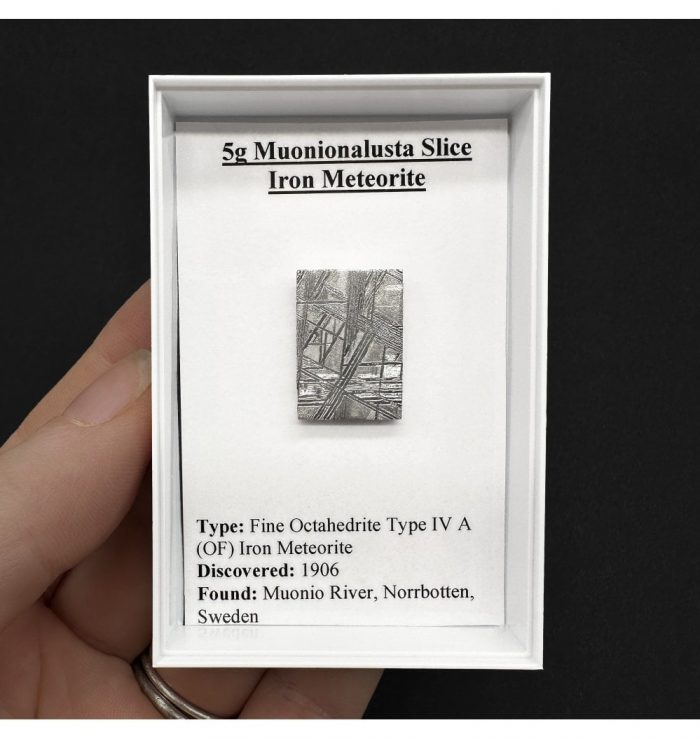
Iron meteorites represent the cores of ancient, destroyed asteroids. They are incredibly dense and heavy for their size.
Preservation techniques: Iron specimens are prone to rusting when exposed to the moisture in our atmosphere. Experts preserve them by keeping them in low-humidity environments. They sometimes coat them with specialised oils or rust-inhibiting sealants to maintain their structural integrity over time.
High density and magnetism: Because they are composed almost entirely of iron and nickel, they are strongly magnetic. They feel significantly heavier than terrestrial rocks of the exact same size.
Widmanstätten patterns: When an expert cuts, polishes and etches an iron meteorite with a weak acid, it reveals a distinct, crisscrossing crystalline structure. This unique geometric pattern requires millions of years of slow cooling in space and is impossible to replicate in a laboratory.
Stony meteorites
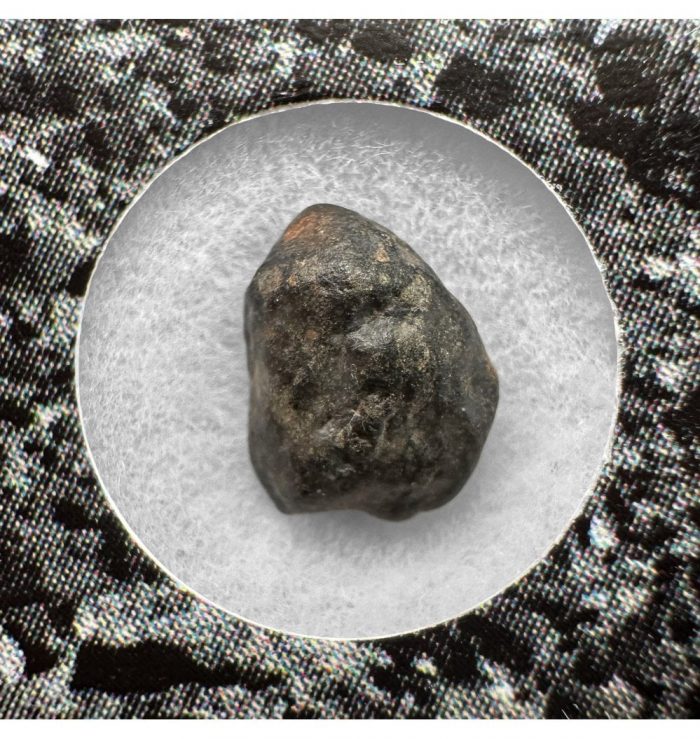
Stony meteorites are the most common type to fall to Earth. They are primarily made of silicate minerals and represent the outer crust of asteroids.
Preservation methods: Stony specimens can degrade quickly if water seeps into their porous structures. Collectors keep them dry and handle them with clean hands or gloves to prevent the transfer of degrading oils.
Chondrules: The vast majority of stony meteorites are called chondrites. When sliced open, they reveal tiny, colourful spherical grains called chondrules. These grains are some of the oldest solid materials in the entire solar system.
Fusion crust: Stony meteorites often feature a thin, dark coating on the outside. This is known as a fusion crust. It forms as the rock superheats and melts during its fiery descent through our atmosphere.
Pallasites
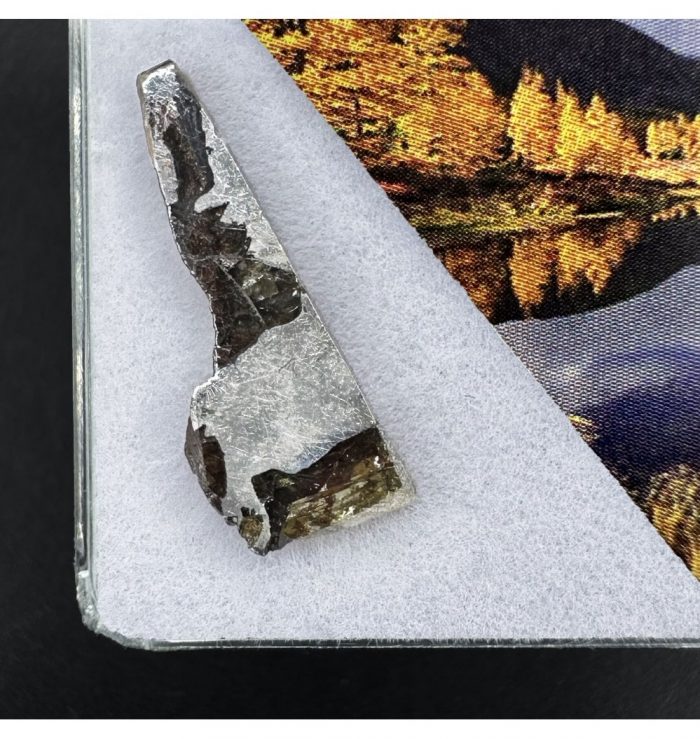
Pallasites are a rare and visually stunning type of stony-iron meteorite. They form at the boundary between the metal core and the silicate mantle of an asteroid.
Preservation considerations: Pallasites require extremely careful preservation. The boundary between the metal matrix and the olivine crystals can weaken over time if exposed to fluctuating temperatures. Experts often seal these slices in protective cases or coat them in high-grade acrylics.
Olivine crystals: The defining feature of a pallasite is the presence of translucent, gem-quality olivine crystals suspended within a solid iron-nickel matrix. When sliced thin and held up to the light, they look like cosmic stained glass.
Metallic network: The surrounding metal framework can also display Widmanstätten patterns when etched. This proves its extraterrestrial origin alongside the embedded crystals.
Grading criteria for meteorites
Understanding the grading criteria is essential for any collector looking to make a wise investment. Experts grade meteorites based on their structural integrity, aesthetic appeal, rarity and historical significance. The physical condition of the specimen plays a massive role in its final market value. An unweathered stone picked up shortly after a witnessed fall will always command a higher price than a heavily rusted fragment found decades later.
Below is a detailed breakdown of how each major classification is graded and how those specific criteria influence market value.
| Classification | Grading Criteria | Impact on Market Value |
| Iron | Surface patina, structural stability, presence of regmaglypts (thumbprints), clarity of Widmanstätten patterns when etched. | High-quality iron specimens with clear geometric patterns and stable, rust-free surfaces hold significant value. Sculptural shapes command premium prices. |
| Stony | Freshness of the fusion crust, visibility of chondrules, lack of terrestrial weathering, documentation of the fall location. | Witnessed falls with intact, black fusion crusts are highly prized. Heavily weathered or fractured stones drop significantly in monetary value. |
| Pallasite | Translucency and colour of olivine crystals, stability of the metal matrix, surface area of the slice, lack of rusting. | Pallasites are among the most expensive meteorites. Slices with vibrant, intact crystals that allow light to pass through fetch the highest market prices. |
A high grade ultimately signifies that the meteorite has survived its journey and subsequent time on Earth with minimal degradation. Collectors are willing to pay premium prices for pieces that require less maintenance and offer striking visual displays.
Unique meteorite features collectors look for
The market for meteorite fragments is vibrant and continually expanding. While complete stones are highly sought after, smaller fragments and prepared slices also accrue immense value over time. The way a meteorite breaks apart during its descent can create naturally sculpted shapes that appeal to high-end art collectors and science enthusiasts alike. Value accrues based on a combination of rarity, the backstory of the meteorite fall and the specific physical characteristics present on the specimen.
When inspecting a potential purchase, you should examine it for several unique features. These distinct characteristics are exactly what professional authenticators and seasoned collectors look for to determine both legitimacy and overall worth.
- Regmaglypts: These are small, thumbprint-like depressions found on the surface of many meteorites. They are created as the outer layer of the rock melts and ablates while travelling through the atmosphere at extreme speeds. Specimens with deep and aesthetically pleasing regmaglypts are considered highly desirable.
- Orientation: Most meteorites tumble randomly as they fall to Earth. However, some maintain a stable trajectory. This creates a nose cone shape resembling a heat shield on a spacecraft. Oriented meteorites are incredibly rare and command exceptional prices in the collector community.
- Flow lines: Closely related to the fusion crust, flow lines are microscopic ripples of once-melted rock. They show the exact direction the molten material travelled across the surface of the meteorite during its descent. The presence of pristine flow lines dramatically increases the value of a specimen.
- Inclusions and rare minerals: In stony meteorites, the presence of rare calcium-aluminium-rich inclusions can drive up interest from scientific communities and private buyers. These bright white specks are the oldest known solid materials in the solar system.
- Lack of terrestrial weathering: The longer a meteorite sits on Earth, the more it degrades. Rust, cracks and earthly contamination decrease value. Specimens found in arid deserts or deep ice retain their original cosmic features far better and subsequently hold a much higher market value.
Build your meteorite collection with Fossils UK
We are here to support you every step of the way on your collecting journey. Our team works tirelessly to source the finest, fully authenticated specimens from around the globe. Whether you are looking for your very first chondrite fragment or a museum-grade pallasite slice, we have something to suit every level of interest and budget.
Take the next step in your collecting adventure today. Browse our fully verified and carefully curated selection by visiting our Meteorites collection at Fossils UK. Let us help you hold a genuine piece of the universe in your own hands.
Comments are closed here.