
Prehistoric Periods: What Is The Cenozoic Era?
Following the catastrophic end of the Mesozoic Era, the world had to reform. New life had to grow from the remains left by the devastating asteroid that wiped out the dinosaurs as hierarchies, food chains, environments and the natural world as we recognise it today began to form. This period of reformation and fascinating progress is the Cenozoic Era.
The ‘Age of Mammals’, as the Cenozoic Era is often called, saw the diversification of mammals grow to unprecedented proportions. Species of varying sizes and habitats came and went throughout the era. At the same time, the first descendants of human life came to be and migrated across the world.
While mammals headline this ongoing period, terrestrial and marine life’s incredible development shouldn’t be overlooked. In our most recent deep dive into the eras that define our planet’s history, we take a thorough look at the evolution of Earth during the Cenozoic Era. Learn everything about the formation of the modern world in our guide at Fossils UK.
Table of contents
- When did the Cenozoic Era start?
- What happened during the Paleogene Period?
- The Neogene Period – When the grass gets greener
- The Ice Age and human life in the Quaternary Period
- What is the Anthropocene Epoch?
- Cenozoic fossils at Fossils UK
When did the Cenozoic Era start?
The Cenozoic Era began after the Cretaceous-Paleogene extinction event, which wiped out several species, including non-avian dinosaurs. This event took place approximately 66 million years ago, and what makes the Cenozoic so fascinating to discuss is that it is still ongoing. We are all involved in this significant ongoing period of history, but we’re getting slightly ahead of ourselves.
There is a lot of ground to cover through this era before we contemplate the current day and the potential future of the Cenozoic. Similarly to other periods, the Cenozoic Era gets its name from the Greek language. British geologist John Phillips proposed the name in 1840 based on the Greek words ‘kainós’ and ‘zōe’, translating to ‘new life’.
This era of new life is defined by three key periods broken up into separate epochs. Each period and epoch saw and continues to observe incredible developments in climate, biodiversity and geography that we will explain in detail. Use our table below to reference the length of each period during the Cenozoic Era.

What happened during the Paleogene Period?
The Paleogene Period was the longest, so far, of the three periods during the Cenozoic Era, lasting approximately 43 million years. The continued break-up of Pangaea headlined the Earth’s climate development during this period. Oceans widened as the continents moved closer to their modern locations. Several separated during the Paleogene, including Europe from North America and Australia from Antarctica.
A key climate change during the Paleogene was a dramatic temperature change. Around 55 million years ago, a sudden temperature rise occurred, causing sea surface temperatures to rise between 5 and 8 degrees Celsius over a few thousand years.

We’ve broken down the key events and developments of the Paleogene into the three epochs that make up the period: the Paleocene, Eocene and Oligocene.
Paleocene Epoch
Earth and its inhabitants are devastated after an asteroid ended almost all life at the end of the Cretaceous. The Paleocene represents the beginning of a new planet and starts with small mammals and birds diversifying in dense forests. Vast areas of the planet that were left vacant by the dominant dinosaurs were fertile ground for creatures of this new age.
Early mammals of a humble stature filled the ecological gaps left by the large reptiles of the Cretaceous, none larger than the size of a small pony. Many of these mammals originated in the Cretaceous. Still, they developed and diversified rapidly in the Earth’s voids, including therians whose relatives live on today as placentals and marsupials.
Sea life also rejuvenated quickly, as only 12% of fish species went extinct after the mass extinction event. Almost immediately following the Cretaceous, the fish population grew in numbers and size, with ray-finned fish representing some of the most well-known fish today dominating the oceans once ruled by squids, ammonites and predators.
Eocene Epoch
Large-scale Global Warming defines the beginning of the Eocene Epoch. The five warmest years of the Cenozoic to date occurred during the Eocene, likely due to a vast release of methane from the ocean floor. Such a significant temperature rise caused drastic changes to the Earth’s flora. Trees grew in polar regions, new grasses evolved rapidly, tropical forests covered North America and palm trees developed in Alaska and Scandinavia.
This approximately 12 million-year epoch saw the first large land mammals appear and quickly die away. In contrast, odd-toed mammals (resembling modern horses and rhinos) and even-toed mammals (resembling modern camels) established themselves.
Developments during this epoch can still be seen today, like Africa becoming an island continent and the first appearance of whales and primates. The small, initial primates had hands adapted for grasping and teeth designed for chewing.
Oligocene Epoch
Forests that were so prevalent during the Eocene began to wither during the Oligocene due to the plummeting temperatures, being replaced by expanding grasslands. The new climate benefited the evolution of fast-running prey. Carnivore predators such as dogs, bears, raccoons and sabretooth cats replaced the creodonts that previously ruled the lands.
Incredibly large mammals, including the monumental Indricothere, inhabited the Earth during this epoch. Residing in central Asia, the Indricothere was a type of rhinoceros and the largest land mammal ever, similarly sized to a sauropod.
The Oligocene also saw the development of anthropoid apes and Brontotherium on land. At the same time, sea lions and seals appeared in the oceans towards the end of the epoch.
The Neogene Period – When the grass gets greener
Lasting approximately half the length of the Paleogene Period, the Neogene is most notable for expanding grasslands across the Earth at the expense of forests. While this process was already in motion during the Oligocene Epoch, the climate became dominated by grasslands in the Neogene.
The vast growth of grasslands and savannahs during the Neogene led to the further evolution of mammals and birds already on a tremendous upward trajectory through the early stages of the Cenozoic via fresh food sources.

Continents continued moving closer to their modern positions during Neogene’s two epochs. The first, the Miocene, lasted between 23 and approximately 5.33 million years ago and was immediately followed by the Pliocene until 2.58 million years ago.
Miocene Epoch
Due to vast changes in global climate, the Miocene is often referred to as the epoch where the Earth’s modern climate conditions began to form. Alongside this, the development of the Miocene climate is regularly used in today’s projection models for future climate scenarios. A comprehensive understanding of the Miocene climate as it relates to today gives scientists the best chance at predicting and analysing how our planet will look in the future.
Alterations in ocean circulations saw the first appearance of kelp forests while enabling the diversification of marine mammals, such as sea lions, seals and walruses. Elsewhere in the oceans, the largest known shark, the infamous Megalodon, was the top predator. Learn everything you need to know about the Megalodon in our complete guide.
On land, the grassland expansion helped support now-extinct horse species that began eating grass rather than finding their feed in forests and meadows. Conditions also favoured easily recognisable modern mammals, including red pandas, bears, deer and beavers.
Pliocene Epoch
Despite being approximately 20 million years shorter than the Miocene, the Pliocene Epoch is no less significant to the development of our planet as we know it today. The Panamanian land bridge that connected North and South America defined the epoch, leading to the “Great American Faunal Interchange”.
The bridge and interchange allowed the migration of mammals between the north and south. A Florida Museum of Natural History study (2009) suggests that the land bridge was formed due to millions of years of tectonic plate movement that led to the collision of the Central American Peninsula with the South American continent.
This monumental event set in place the faunal development of the Americas. The collision also prevented the exchange between the Caribbean and the Pacific, meaning the wildlife of both areas evolved separately. Early African hominid fossils, including the famous “Lucy”, are placed during the Pliocene.
The Ice Age and human life in the Quaternary Period
Here we are, the modern day. Well, not quite. While the Quaternary Period is the shortest of the three periods that make up the Cenozoic Era, it still encapsulates over 2.5 million years of history and counting.
The infamous Ice Age occurred during the Quaternary (and is technically still ongoing, although we are living through an interglacial). Dramatic changes to the planet’s climate saw some species go extinct and others, including some of the earliest humans, thrive.
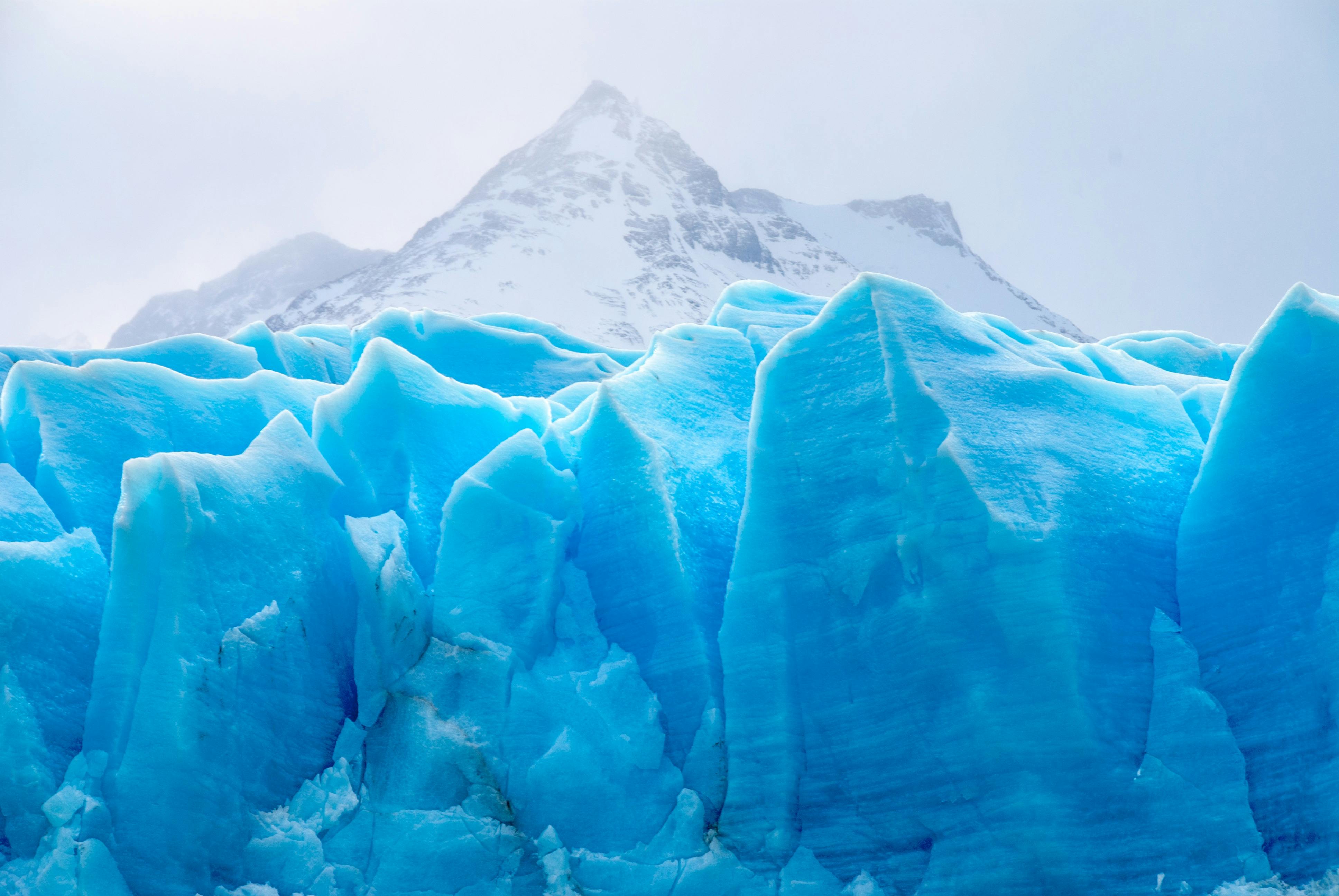
The Quaternary is largely made of the Pleistocene and Holocene Epochs, with the former spanning approximately 2.5 million years. At the same time, the latter’s length and conclusion are debated.
Pleistocene Epoch
During the Eocene Epoch, a cooling trend began that led to at least 20 cycles of glaciations during the Pleistocene, some of which covered as much as 30% of the Earth’s surface.
During this epoch, many large mammals went extinct. The Ice Age eliminated food sources for several smaller mammals. When they died out, the carnivorous large mammals like sabretooth tigers, dire wolves and short-faced bears lost their food source.
Herbivorous mammals, including mammoths, also went extinct, likely due to the rapidly changing climate and human hunting.
Around 2.4 million years ago, the genus Homo evolved from Australopithecus in Africa. Homo erectus and homo sapiens migrated out of Africa 1.9 mya and 150,00 ya, respectively, while Neanderthals were hunting large mammals in Eurasia between 530,000-30,000 ya.
Holocene Epoch
The Holocene began approximately 12,000 years ago with a warming spell following the Pleistocene glacial period as humans began building houses to live in rather than caves. As the warming period impacted the planet and the glaciers diminished, humans strayed away from hunting and began practising agriculture.
At the transition point between the Pleistocene and Holocene, the sea level rose dramatically by approximately 120 m due to the glacial retreat, where the glaciers melted and the excess water entered the oceans.
Many claim that the Holocene is ongoing, and we live through it today. A panel of 24 geologists even voted down the proposal to end the Holocene and welcome the official recognition of a new geologic period (Voosen, 2024). The debate and need for an official rejection raises an interesting question: what would succeed the relatively young Holocene, and why?
What is the Anthropocene Epoch?
The Anthropocene is a proposed geologic epoch defined by the impact and influence of human life and practices on the Earth’s processes, therefore also influencing climate. While this proposal was rejected by leading geologists in 2024, many scientists strongly believe it should be recognised as the newest and current epoch in the geologic timeline.
While the key debate is whether the Anthropocene should be officially recognised as an epoch, several inner debates between scientists support the proposal. The key difference of opinion is the accepted Anthropocene Epoch’s starting point.
As Rafferty (2008) mentioned in Britannica, some scientists argue that the epoch began during the rise of agriculture. This argument is controversial as it would coincide with the beginning of the recognised Holocene Epoch. The proposed starting points of the Anthropocene Epoch are as follows:
- 1784 – The Scottish inventor James Watt invents the steam engine, leading to significant industrial production and transportation developments.
- 1800 – The start of the Industrial Revolution.
- 1945 – The first widespread human-made radioactive particles following the use of atomic bombs to end WWII and the beginning of the “Great Acceleration”.
The most popular belief among scientists is that the recognised start of the Anthropocene follows the steam engine argument, as many point to 1800 and the beginning of the Industrial Revolution and the subsequent rush to gather natural resources, including wood, coal and petroleum. Whether the Anthropocene will ever be officially recognised or left as a concept for scientists to ponder is, fittingly, a question only time can answer.
Cenozoic fossils at Fossils UK
Introspection and exploration of our planet’s history drive us at Fossils UK. There is so much we can learn from creatures and climates that came before us and define the world we live in.
Gain a greater understanding of extinct Cenozoic Era mammals from our collection of Ice Age and mammoth fossils ethically sourced and hand-selected directly from finders, collectors, dig sites and more.Our fossils make incredible gifts for fellow history buffs or a unique and interesting addition to your mantlepiece. Learn more about ancient agriculture with our collection of artefacts and more historical items.
Comments are closed here.