
What is a megalodon
The sheer size and mystique that surround the megalodon have made it the largest shark to have ever existed one of the most speculated-about creatures our planet has seen. Works of fiction and popular culture have helped pique the public’s interest in just how big the megalodon truly was, how it behaved, and whether there’s still a slight chance it’s swimming deep beneath the surface.
At Fossils UK, we share the megalodon fascination. Using information passed down throughout the years and what we’ve learned from our ethically sourced shark teeth , we can paint a clearer picture of how this incredible sea creature lived and what close relatives still travel our oceans.
Megalodon size: How BIG was it?
While films, books and other media may paint the picture of sharks the size of the ocean itself, the reality is these creatures were slightly smaller, albeit still gargantuan! Media, such as 2018’s The Meg, depicted the sharks as 23 metres long, whereas the real size is estimated to be 15-18 metres. Don’t be disappointed by that slight Hollywood exaggeration, though. That’s still three times longer than the largest great white shark we’ve encountered.
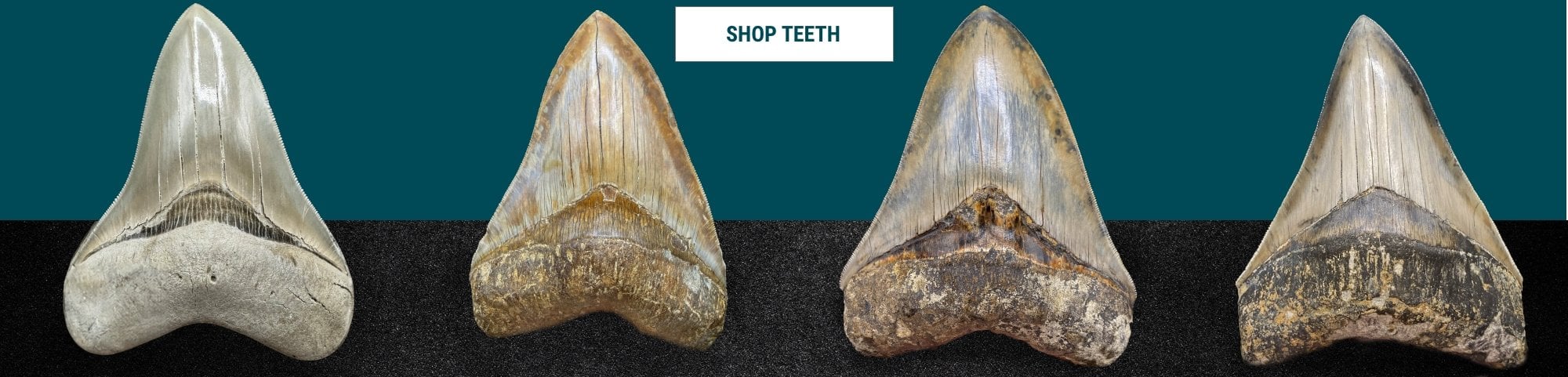
There are no available megalodon skeletons to measure, so these estimates are based on the megalodon teeth that are accessible.

The Megalodon diet: What did they eat?

With teeth as long as 18 centimetres, megalodon could’ve eaten anything they came across. Even other natural predators weren’t immune to the megalodon’s appetite, as sea creatures as large as whales were on the megalodon menu. Dolphins, sea lions, sea turtles and other large fish were common prey for megalodon.
Where did megalodon LIVE?

The world's megalodon had no set location, although they adapted to suit warm tropical and subtropical locations. The large sea creatures were so widespread that Antarctica is the only continent where Megalodon teeth haven’t been found. The warm seas that covered the planet in the prehistoric age meant megalodon could travel and settle without the immediate risk of dramatic temperature changes.
When imagining how a megalodon would look, your first thought may be an even greater white shark. This could be due to the representation of megalodon in popular media, but this interpretation is believed to be incorrect.
The closest living relative, in terms of appearance, to the megalodon is the blue shark. Megalodons are believed to have had much shorter noses than depicted alongside flatter jaws. Another similarity with blue sharks is that the megalodon had long pectoral fins to support their weight and size.

Why did the megalodon go extinct?
Scientists point to several reasons why these large ocean rulers eventually died out. Climate change was a significant factor, with the huge drop in global water temperature causing a domino effect that reached all the way to the top of the food chain. The lowering of sea level meant that marine sites were lost, and more high-energy prey species became extinct.
The megalodon’s size required high-energy sustenance at a regular rate, and this decrease in options contributed to the large shark’s slow decline in predatory nature when hunting in cold waters. They were now competing with younger, more adaptable predators, and their threat was diminished.

WHEN did the megalodon go extinct?
While no exact date can be verified, evidence collected over the years suggests that the megalodon went extinct by the end of the Pliocene, approximately 2.6 million years ago. Scientists believe it may have been 3.6 million years since the last living megalodon roamed the ocean, citing the global temperature drop as a contributing factor to the extinction of creatures such as seabirds and turtles.

Explore Megalodon fossils
At Fossils UK, you can find fascinating pieces of natural history in our collection of megalodon teeth fossils. Whether you’re an avid fossil collector looking for a sizable and special addition to your collection or you’ve always been intrigued by the life and legacy of the world’s largest ever shark, we have incredible teeth that teach us so much about the creatures that once roamed our oceans.