
Prehistoric Periods: What Was The Mesozoic Era?
Often dubbed the ‘Age of Reptiles’, the Mesozoic Era is defined by the evolution, dominance and eventual demise of the world’s most recognisable prehistoric creatures. The animals commonly associated with life before us were born and developed during this period, during which the planet underwent significant changes.
During this period, Pangaea began to separate into something resembling the modern continents we’re familiar with today. A drastic change in the Earth’s climate and makeup caused worldwide sea levels to rise and oceans to expand worldwide.
The Mesozoic Era is responsible for some of our planet’s most dramatic and notable changes and developments. Each shift caused hundreds of smaller changes in the aftermath. Learn all you need to know about the Mesozoic Era as we continue to explore the defining periods of prehistoric history at Fossils UK.

Table of contents
- How long ago did the Mesozoic Era begin?
- The Triassic Period
- The Jurassic Period
- The Cretaceous Period
- What ended the Mesozoic Era?
- Mesozoic Era fossils at Fossils UK
How long ago did the Mesozoic Era begin?
While the dates aren’t exact, the Mesozoic Era is generally recognised as having begun roughly 252 million years ago, lasting approximately 186 million years. The ‘Mesozoic’ title is derived from the Greek prefixes meso and zōon to mean ‘middle life’, which perfectly places the Mesozoic Era in the middle of the three key areas in the prehistoric timeline: after the Paleozoic, but before the Cenozoic Era. These eras were originally simply named the primary, secondary and tertiary eras before the name we recognise today was proposed by 19th-century British geologist John Phillips.
Labelling 186 million years as a single ‘era’ can seem reductive given the sheer amount of ecological and evolutionary advances in this significant age. Historians and palaeontologists also recognised this, so the Mesozoic Era is broken up into three key periods that may be more familiar.


The Triassic Period
The start of the Triassic and, by association, the Mesozoic came after the most devastating extinction event the world had experienced up to that point. Now known as the ‘Great Dying’, this event was the defining line between the Palaeozoic and Mesozoic Eras. Roughly 252 million years ago, over 95% of all life was eradicated.
Scientists have debated for centuries about what caused the Permian-Triassic extinction event. One popular theory involves an asteroid impact that filled the air with dust particles, restricting light and causing acid rain. Other scientists believe that volcanic eruptions in what is now Siberia rapidly increased carbon dioxide levels and created toxic ocean environments.
The Triassic was a period of recovery and growth after the Great Dying. Ecosystems had to reestablish themselves. A food chain needed to develop from the ground up. Some estimates suggest that it took as long as 10 million years for the planet to rebuild after these extinction events.
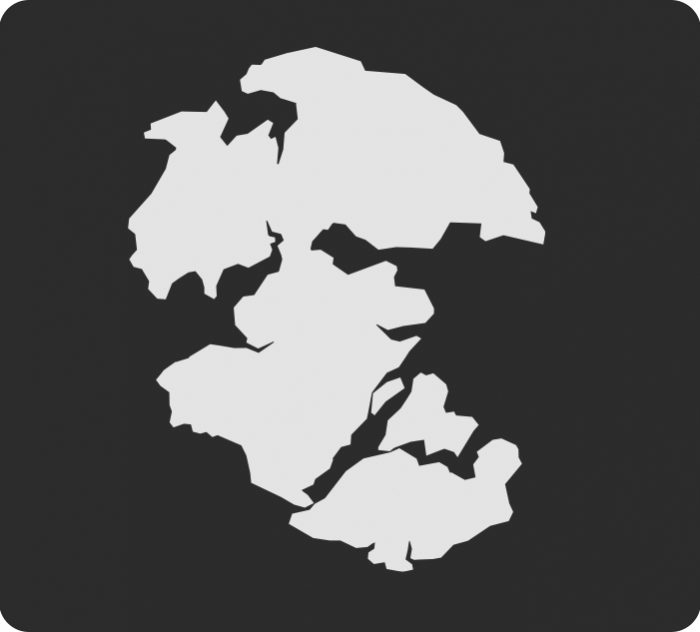
Pangaea during the Triassic
Part of that recovery surrounded the health and state of Pangaea, the planet’s singular land mass. Despite Pangaea standing alone, undivided by the ocean, climates across the land varied widely, much like they do today. The Early Triassic saw conifer-dominated forests with trees as tall as 30 metres. Dryer climates were filled with vast fern prairies as plant life began to recover.

Animals would begin to reappear soon after in similar guises to the creatures that roamed the Paleozoic. Diverse reptiles appeared and largely dominated until the Middle Triassic, when a range of archosaurs arrived. Closely related to species that would thrive later in the Mesozoic, including dinosaurs, birds and crocodiles, archosaurs were the dominant force by the Late Triassic.
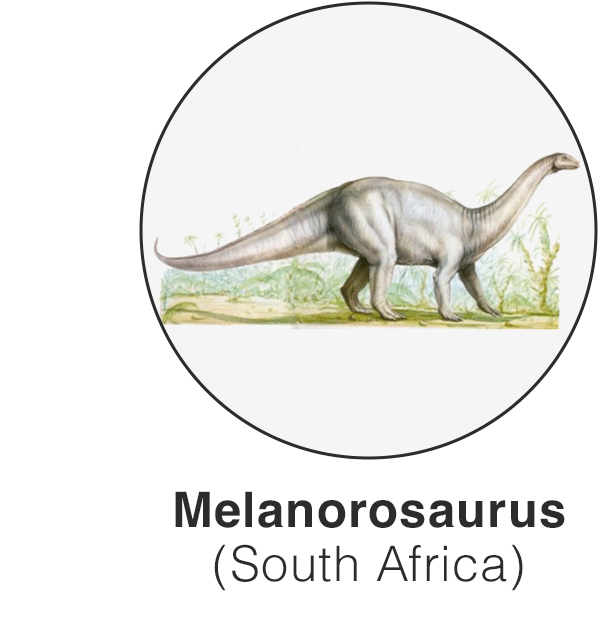
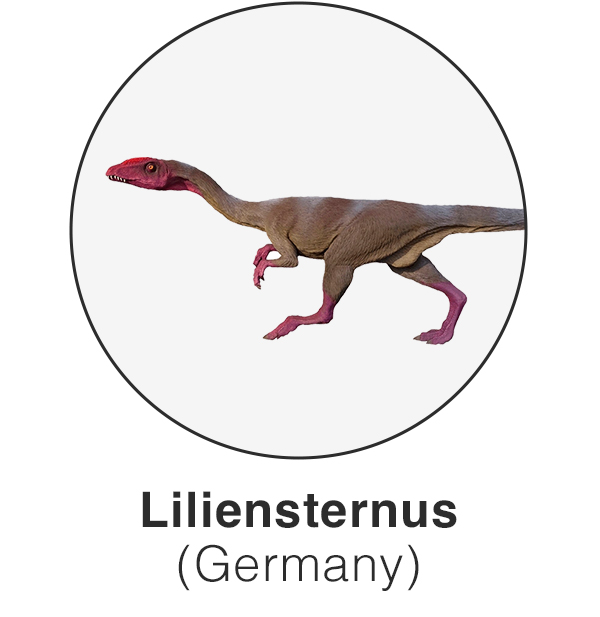
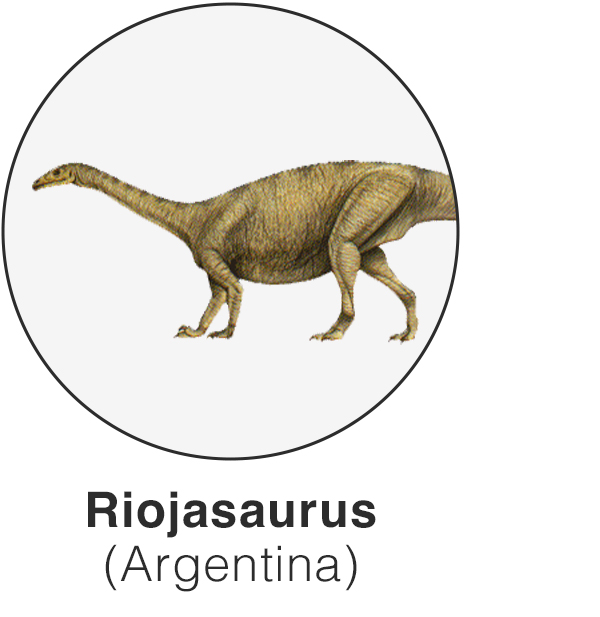
The very first dinosaurs and mammals appeared in the Late Triassic. By the period’s end, dinosaurs had already reached impressive lengths, over nine metres, and diversified enough that two main groups were present. The Saurischia included sauropods, while the Ornithoscelida comprised ornithischia and theropods.
Stage: Late Triassic
The Jurassic Period
Just as the Triassic emerged from the ruin of the Paleozoic, the Jurassic began in the fallout of the Triassic mass extinction. Roughly 80% of the planet’s species were wiped out around 200 million years ago due to volcanic activity in what is now the Atlantic Ocean. Heavily increased carbon dioxide levels caused catastrophic climate change, including rising sea levels and acidic oceans.
Jurassic climate
By the end of the Late Triassic, the first cracks in Pangaea were beginning to form. The Early Jurassic saw the world’s supercontinent finally break up, not instantly into the continents we recognise today, but into two separate large land masses. Laurasia was in the northern section, while Gondwana was in the south. This breakup and subsequent biological development created new coastal habitats, with flowering plants beginning to evolve alongside increased humidity and rainfall.
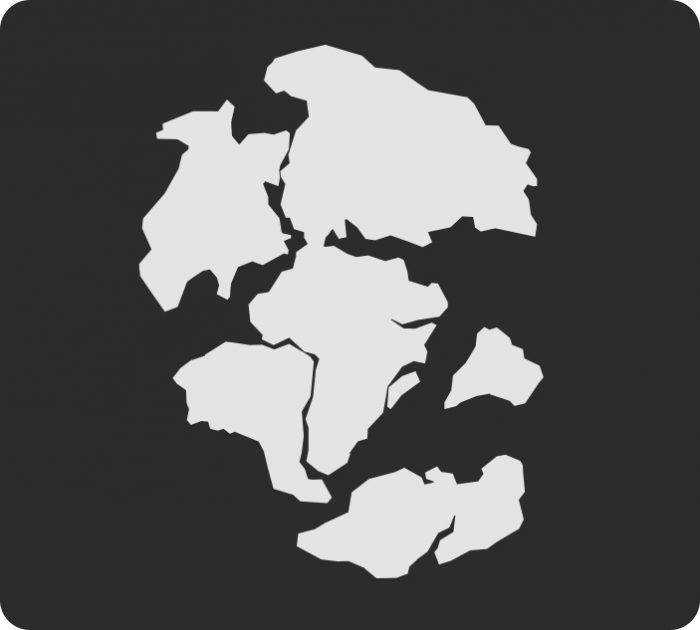

These tropical conditions enabled by the split of Pangaea made for the perfect breeding ground for new dinosaurs. The Triassic extinction wiped out the archosaurs, leaving their environments empty and ready to be acquired by the next generation of dinosaurs.
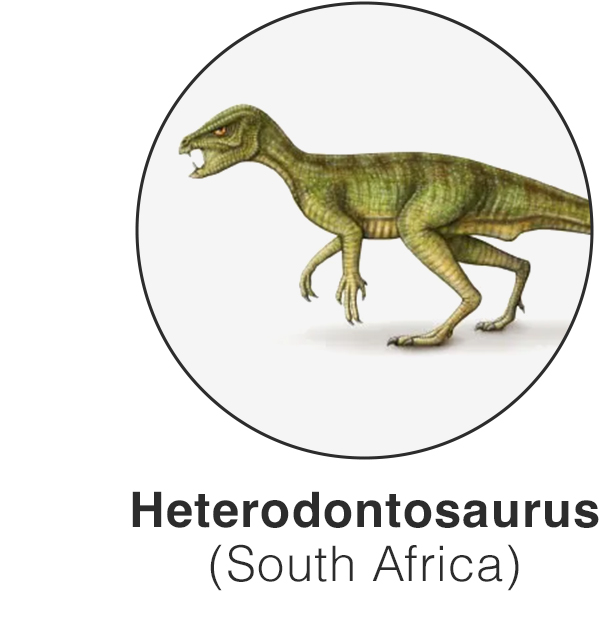
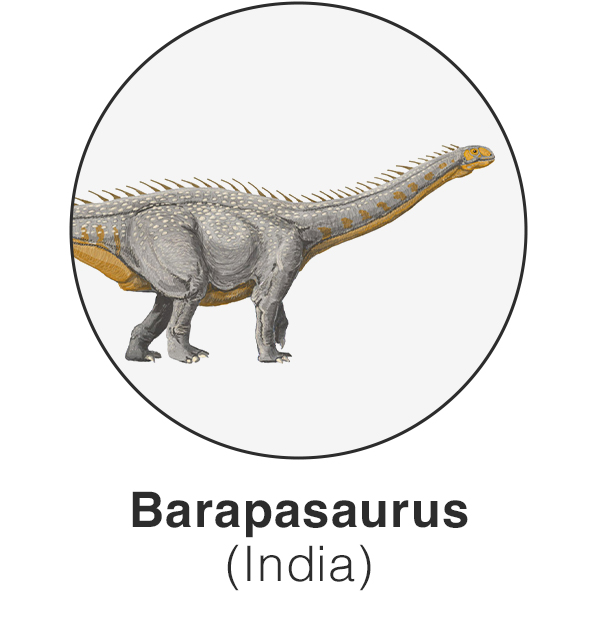
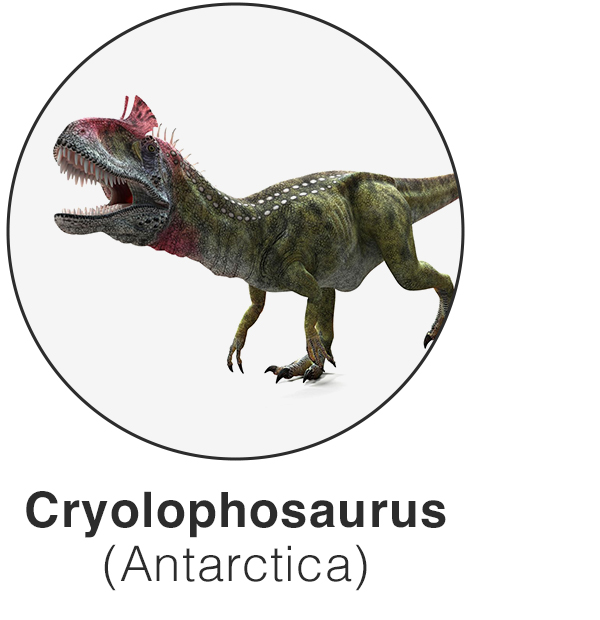
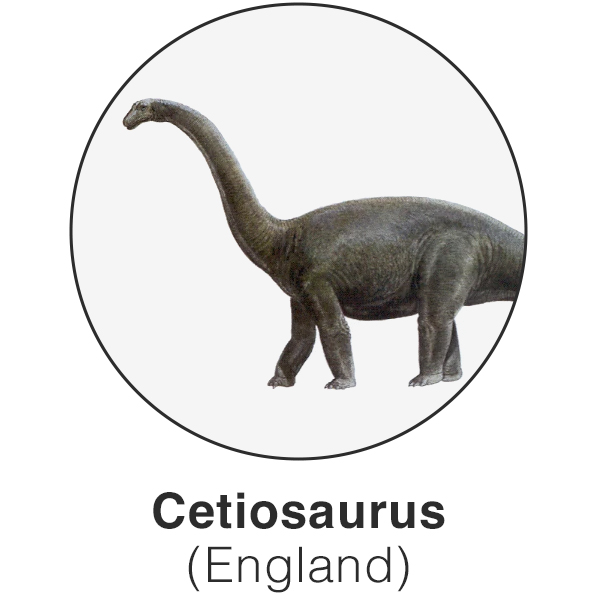
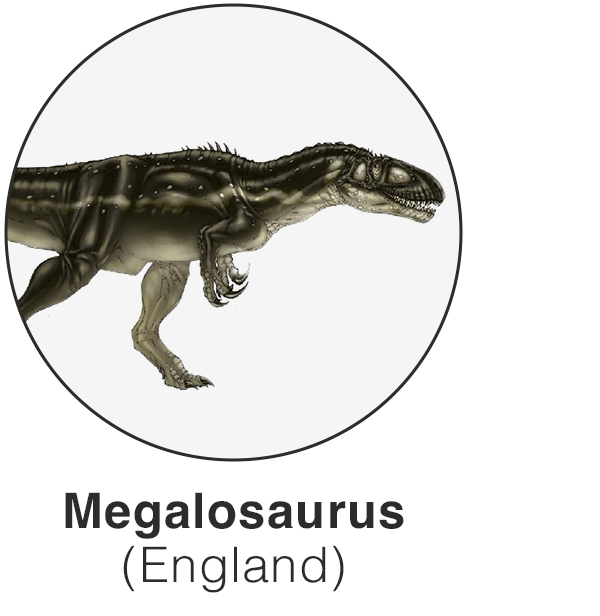
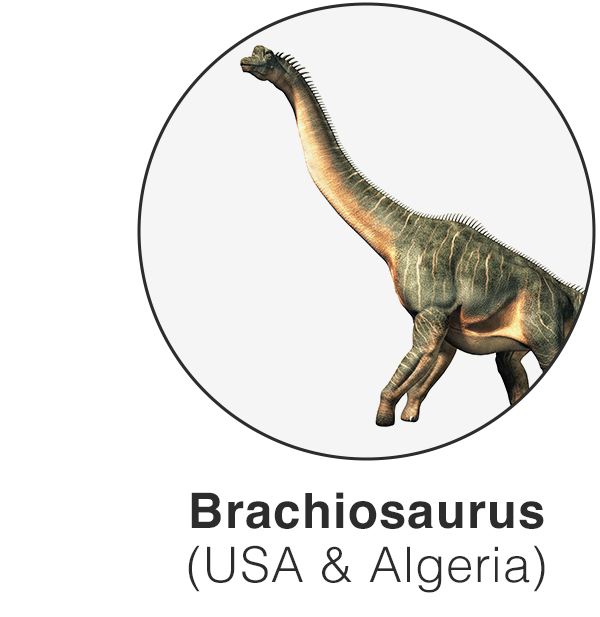
The Jurassic Period was the golden age of dinosaur evolution. Despite being insignificant during the Triassic, they established themselves as the primary species in the planet’s ecosystem. There’s a reason the films are called Jurassic Park, not Triassic Park. Listed below are the most significant dinosaurs of each stage of the Jurassic.
Stage: Early Jurassic
Stage: Middle Jurassic

Stage: Late Jurassic


The Cretaceous Period
The third and final period of the Mesozoic Era wasn’t born out of ruin like the Triassic and Jurassic before it. Instead, it was more of a transition and continuation of the biological groundwork laid in the Mid-Late Jurassic. Lasting roughly 79 million years, the Cretaceous Period is the longest of the three during this era.
Due to the length of this period, the Cretaceous is often broken down into two halves called epochs. The Early Cretaceous Epoch began 145 million years ago until around 100 million years ago. It was followed immediately by the Late Cretaceous Epoch, which lasted until approximately 66 million years ago.
The continents and climate of the Cretaceous
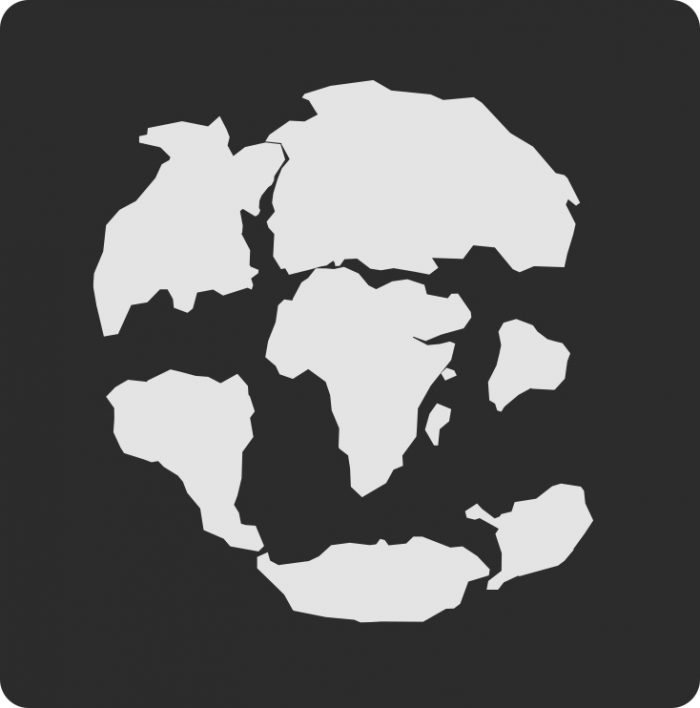
Pangaea experienced its first major split during the Jurassic Period, creating two separate land masses in Laurasia and Gondwana. The Cretaceous would see the cracks in the once singular surface grow and begin to break into the continents we recognise today. By the Late Cretaceous, the formation of shallow seas saw what we now know as North America split into separate land masses.
The planet was much warmer during the Mesozoic Era than today, so no ice was present in the North or South Poles. Conifer-dominated rainforests will have been present. Flowering plants take up roughly 90% of today’s plant life, and their evolution came during the Cretaceous. Also known as angiosperms, flowering plants had a significant presence by the Late Cretaceous despite a lack of evidence of their existence in the Early Cretaceous.

The dinosaurs dominated animal life during the Cretaceous. While other small animals did exist, they had an insignificant role and impact on the planet’s ecosystem.
The Early Cretaceous Epoch saw the decline of many species that rose to prominence during the Jurassic, such as Diplodocus and Stegosaurus. They were replaced by dinosaurs that were evolving different dietary techniques. The iguanodon, for example, was one of the first dinosaurs to develop complex chewing mechanisms. At the same time, they also had a spike on their hands to fend off predators.
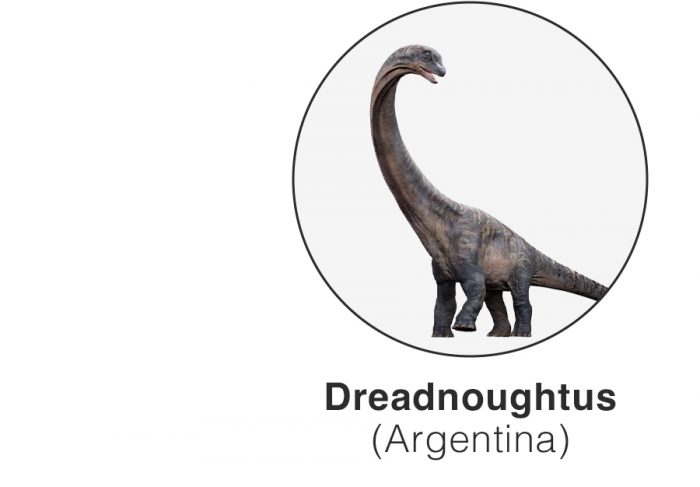
Surprisingly, some of the world’s most famous dinosaurs weren’t present until the Late Cretaceous. A-listers such as the Tyrannosaurus, Triceratops and Dreadnoughtus roamed the planet in the dino’s final days. Giant sauropods were incredibly prevalent during this period, and their behaviour is thought to have shaped their habitats.
They would eat leaves and branches from tall conifers, and it has been suggested that sauropods’ metabolism slowed, meaning they wouldn’t run through their natural diet too quickly. Once their food had passed, the seeds they consumed from these forest trees could ferment and repopulate the area. You can read our article for more information on the largest dinosaurs that ever lived.
Stage: Early Cretaceous
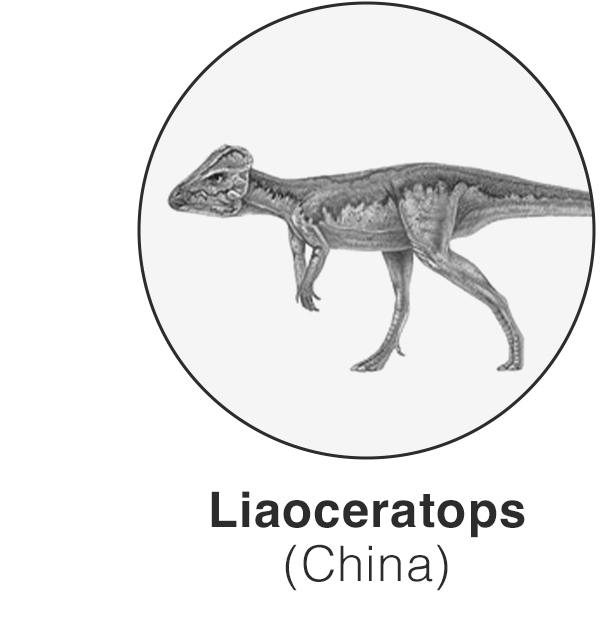
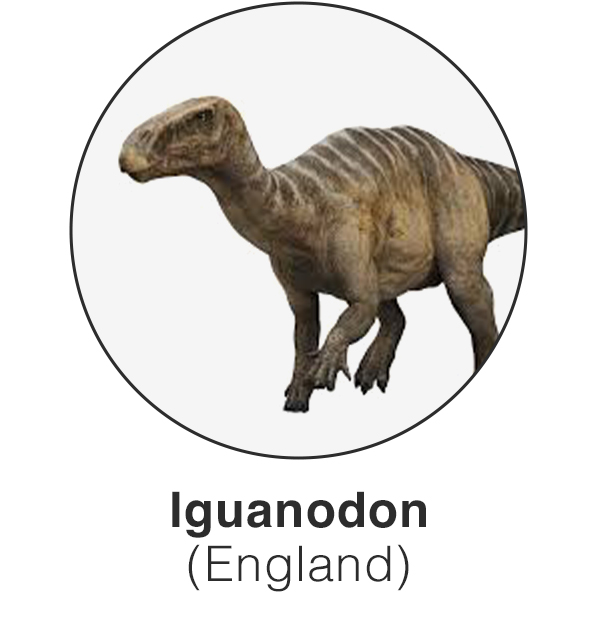

Stage: Late Cretaceous
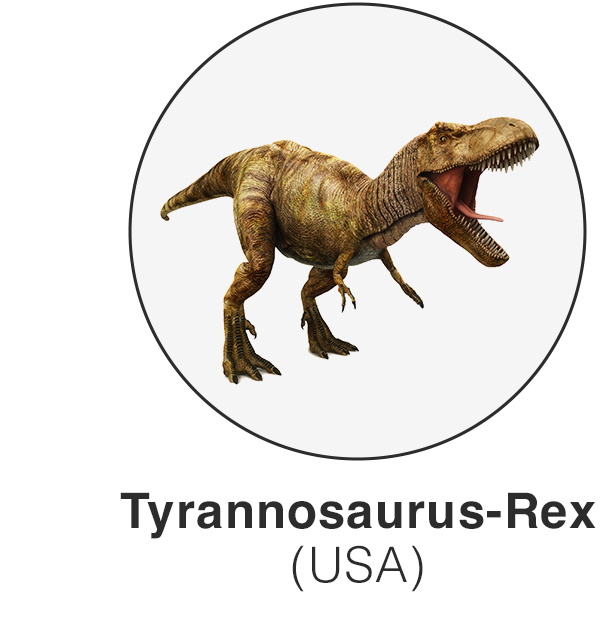
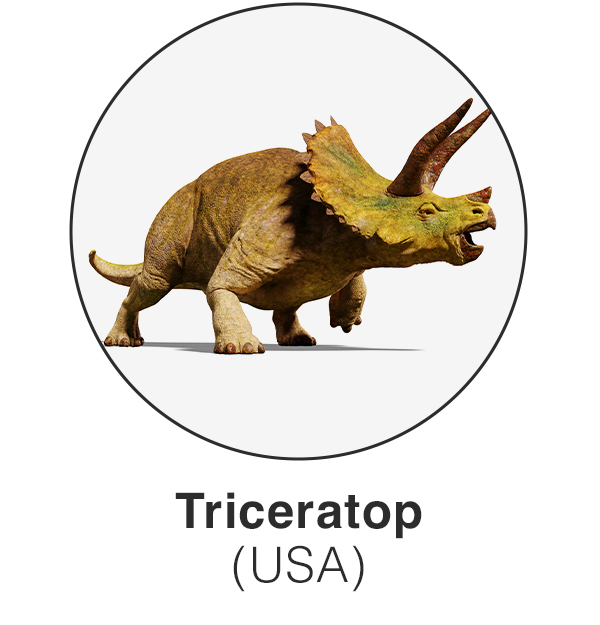


What ended the Mesozoic Era?
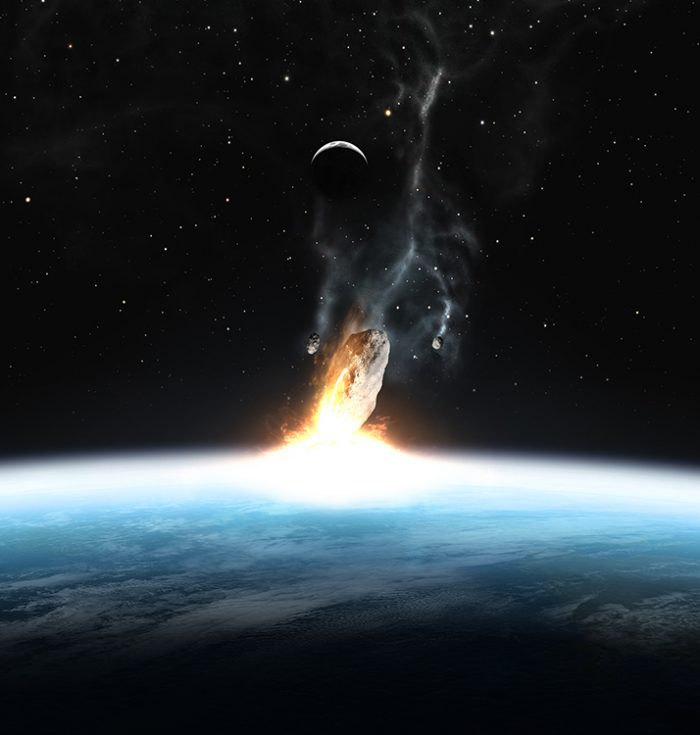
The Mesozoic Era ended much like it began, with a mass extinction event wiping out most life on the planet. The Cretaceous mass extinction event 66 million years ago is easily the most well-known event of its kind.
It’s widely believed that all non-avian dinosaurs left by the end of the Late Cretaceous were eliminated by a large asteroid that hit what is now Mexico. The initial impact and subsequent climate change completely collapsed the planet’s natural hierarchy via the extinction of resources.Why not read our post on the subject for a detailed look into the asteroid, its fallout, discovery, and how and why the dinosaurs went extinct?
Mesozoic Era fossils at Fossils UK
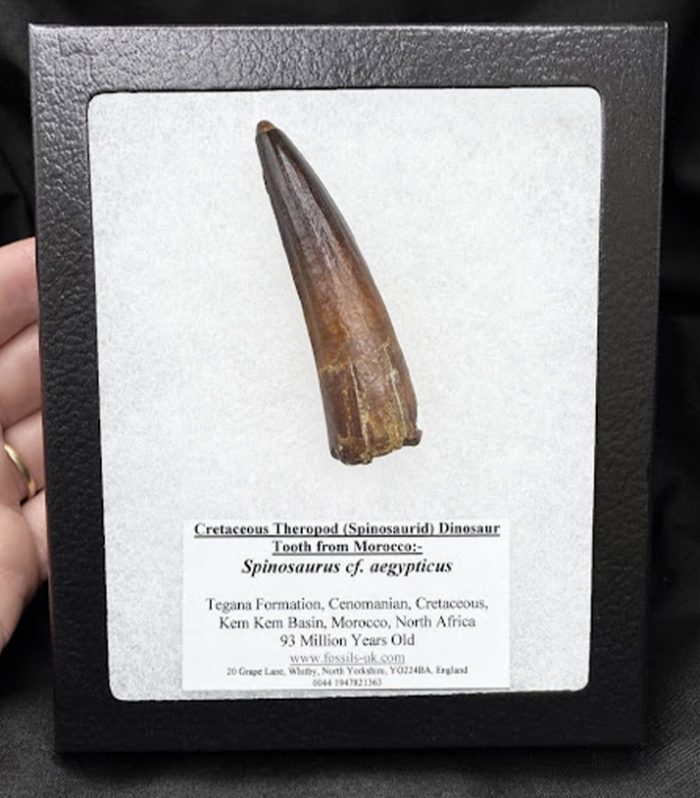
Own a unique piece of Mesozoic Era history with a dinosaur fossil from our collection at Fossils UK. Through preserved dinosaur teeth, dinosaur bones and claws, you can marvel at the biological development that defined the era hundreds of millions of years later. The fossils are beautifully presented and ready for display.
All our dinosaur fossils are ethically sourced and hand-selected directly from finders, collectors and dig sites. Learn more about how we prepare our fossils for display and sale in our thorough guide, accompanied by a video explainer.
Do you have a friend or loved one who is a dino-fanatic? Browse our full range of fossils and gifts to find the perfect present for anyone interested in the world that came before us and the creatures that inhabited it.
Comments are closed here.