
Prehistoric Periods: What Was the Paleozoic Era?
The Paleozoic Era marks the end of the Proterozoic and the beginning of the current Phanerozoic Eon. Approximately 541 million years ago, the era that set in motion the rapid expansion and growth of complex life forms across Earth began and laid the foundation for developments in the Mesozoic and Cenozoic Eras.
Derived from a Greek phrase meaning “ancient life”, the Paleozoic Era saw dramatic changes in climate and biodiversity throughout its periods before coming to a significant and tragic end around 252 million years ago with the largest mass extinction ever to hit the planet at that time, the ‘Great Dying’.
At Fossils UK, we have a deep fascination with our planet’s history and a commitment to preserve it. Follow our comprehensive guide and learn everything you need to know about the life, growth and ultimate end of one of history’s most significant geological eras.
Table of contents
- What were the Paleozoic Periods?
- Cambrian Period
- Ordovician Period
- Silurian Period
- Devonian Period
- Carboniferous Period
- Permian Period
- What caused The Great Dying?
- Paleozoic fossils at Fossils UK
What were the Paleozoic Periods?
Like the Mesozoic and Cenozoic Eras after it, the Paleozoic Era is divided into several periods, each defined by significant developments in flora, animal life and climate. These definitive divisions in time are incredibly valuable for scientists, palaeontologists and historians to track the Earth’s evolution spanning hundreds of millions of years.
The periods of the Paleozoic Era and their durations are outlined in our graphic below:

Cambrian Period
The Paleozoic Era began with a bang, thanks to the most vigorous evolutionary expansion the planet has ever seen. The Cambrian Explosion was an “unparalleled emergence of organisms” (Flannery, 2009) that resulted in the appearance and development of several major life forms that still have descendants roaming the Earth today, including the first vertebrates.
While the cause of this explosion is still up for debate, a leading theory suggests that the sudden rise of oxygen and sea levels made the environment much more hospitable, with shallow marine habitats ideal for new organisms (National Geographic, 2022).

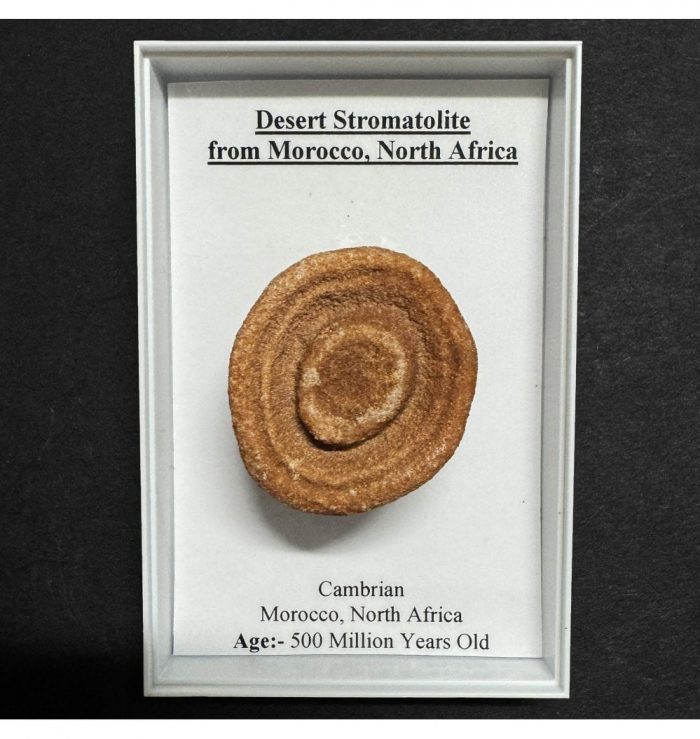

Another suggestion involving hox genes was posed by geologist Richard Corfield on BBC Radio 4’s In Our Time programme (2005). Corfield suggests that hox genes, which play a crucial role in body structure development and are found in bilateria with an estimated origin aligned with the Cambrian Explosion, experienced an evolutionary shift leading to the wide burst of new organisms.
No matter its origin, the Cambrian Explosion is hailed as the single largest burst of evolution in Earth’s history. Many scientists believe this ecological phenomenon spanned the entirety of the 56 million-year-long period. However, modern research published in the Proceedings of National Academy of Sciences in the USA by Dr Greg Edgecombe suggests the explosion was much more like the types of explosions we are all used to: short and emphatic.
“It means that rather than there being a long and protracted evolutionary explosion throughout the period, it was more of a quick spurt at the start, during which all the major animal body plans came into being” (Davis, 2019).
Ordovician Period
Despite the sudden and tremendous growth in life forms at the start of the Cambrian, the period ended with an extinction event caused by a lack of oxygen combined with poisonous hydrogen sulphide that killed off many Cambrian animals (Marshall, 2011).
The Ordovician Period is tremendously significant as during this period, the first terrestrial plants made their way to land. Land on Earth was entirely concentrated in the Southern Hemisphere during the Ordovician. There were a few small islands and continents alongside one gigantic continent, Gondwana.
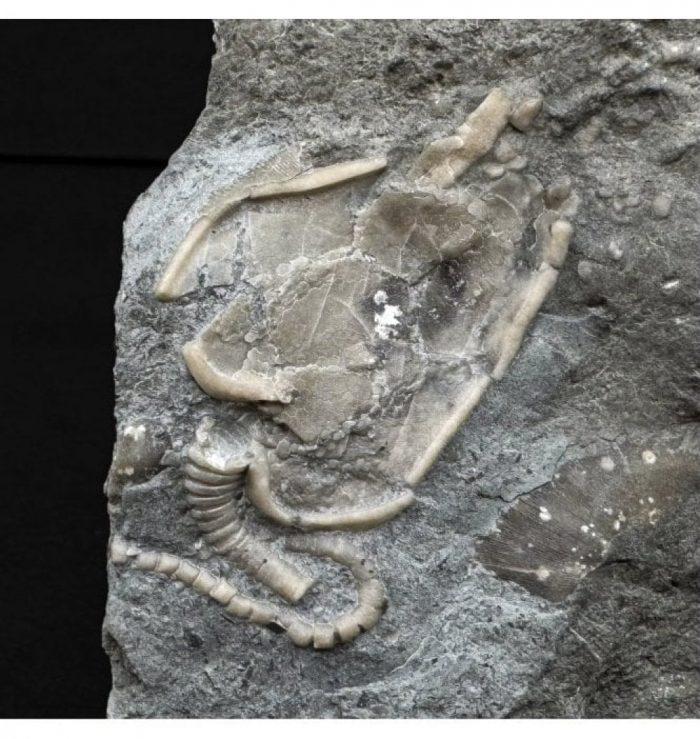
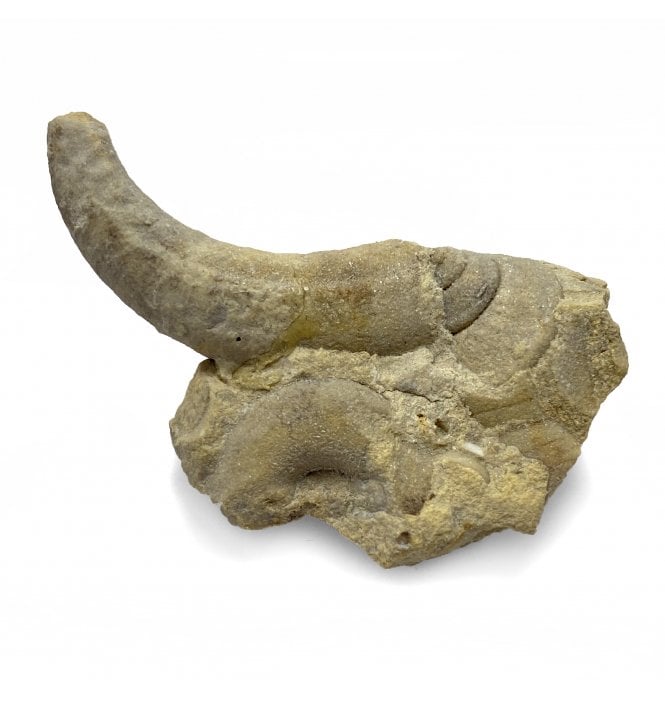
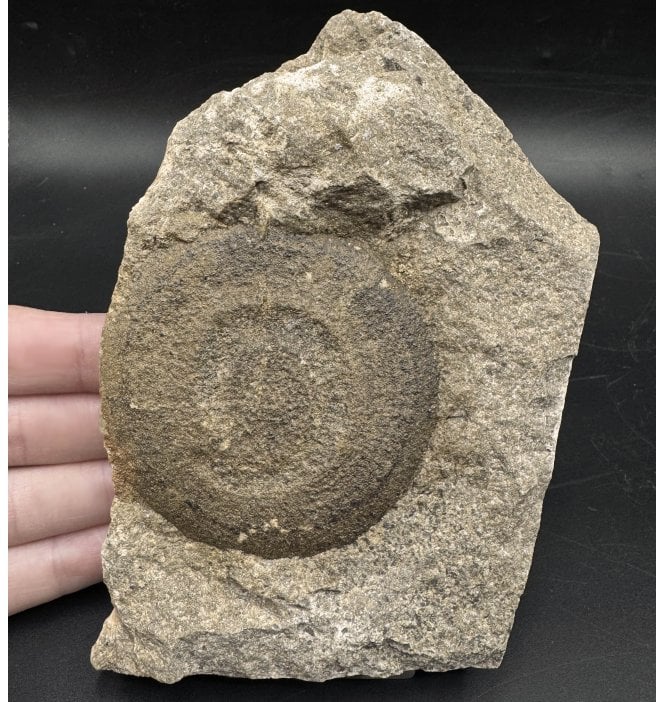
Despite its size, the supercontinent was barren entering the Ordovician. The move to land for plant life saw mass diversification from algae to the original spores (Paleo Analysis, 2022). By the middle of the Ordovician, marine life had mostly recovered from the Cambrian extinction. Large Radiodonts that survived the event grew to 2 metres long, while trilobites were thriving.
The first fish began to appear in the fossil record around this time, with shields covering their bodies. Armour plating would become a common form of protection for fish throughout many epochs, periods and eras to the present day.
Despite the significant progress made during the period, the Ordovician would suffer an emphatic end at the hands of the Earth’s first mass extinction event. Over 85% of all species were wiped out by what scientists believe was a massive cooling event and dropping sea temperatures caused by Gondwana moving over the South Pole (Sheposh, 2023) before rapid climate change saw the planet heat up dramatically, resulting in the ocean’s oxygen levels plummeting.
Silurian Period
The Silurian Period was a time of recovery. After one of the most devastating mass extinction events rocked the planet and its inhabitants, the remaining creatures had to recover from a loss of species and a rapidly changing climate.
One benefit of the rise in temperature at the end of the Ordovician was that glaciers had melted, allowing sea levels to rise and many faunal groups could recover (Johnson, 2016). Coral reefs were very common, while different fish species became much more widespread.
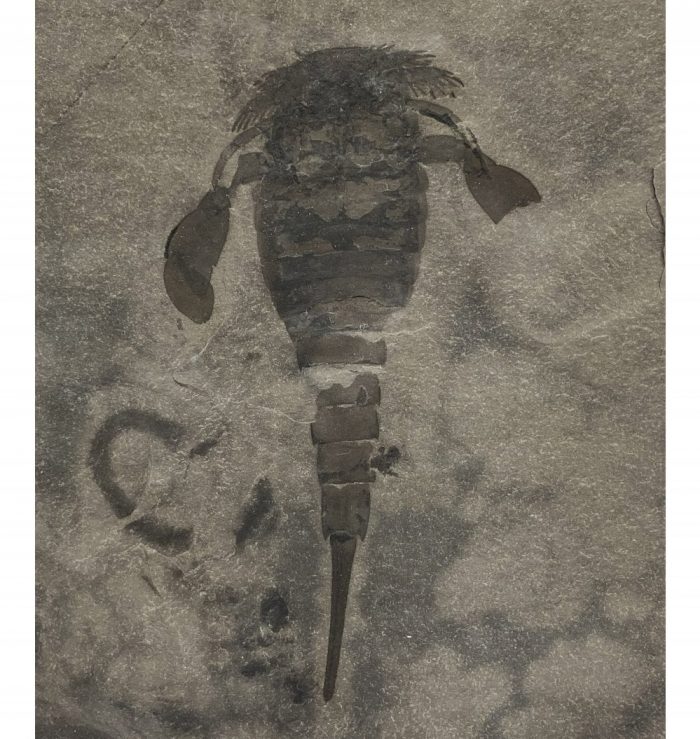
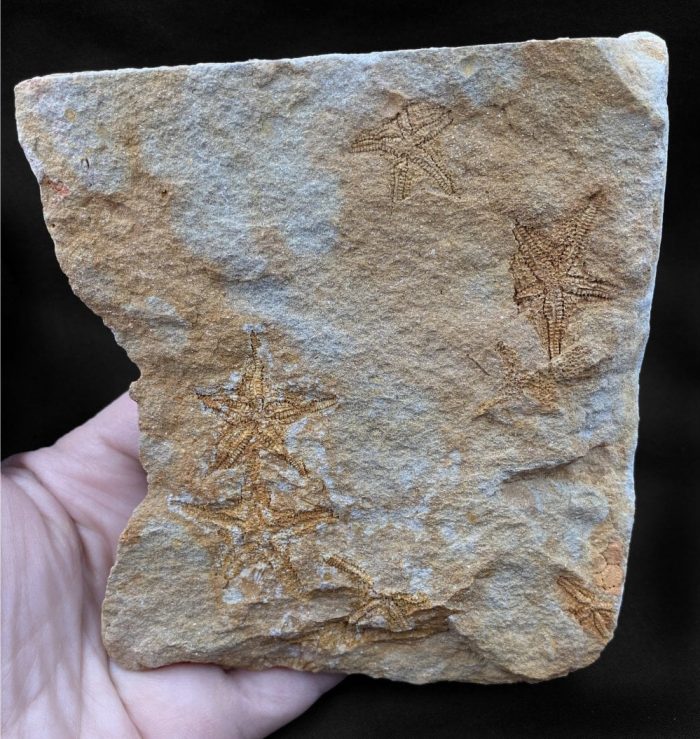
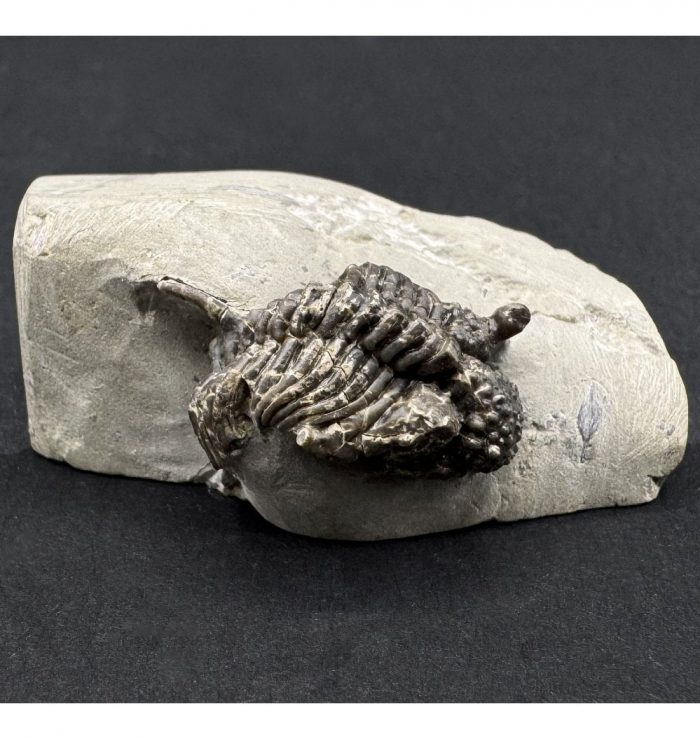
The period’s most significant development was that of life on land. While the first plants on land are dated during the Ordovician, vascular plants emerged during the Silurian. Since their appearance, vascular plants have been the basis of terrestrial ecology (Fischer, Liu, Yip & Yu, 1998).
These vascular plants, known as Cooksonia, laid the foundation for a land-based food chain that would stand the test of time. The photosynthetic tissues made them ideal for herbivores, and once herbivores were established, carnivorous animals could evolve and prey upon them (The Open University, Block 3, 2018).
Herbivores began to feed upon these plants almost immediately, the first of which were arthropods that fed on decaying plants.
Devonian Period
The Devonian Period, often dubbed the “Age of Fishes” (House, 2025) due to the vast diversification of fascinating marine animals during its approximately 50 million years, saw one of the planet’s first evolutionary arms races (Paleo Analysis, 2022).
A stable climate aided the vast development of fish species during the Silurian, and now the focus was on becoming rulers of the ocean. Competition was fierce, but placoderms, including the 33ft Duncleosteus, seized control in a period where the earliest sharks also entered the fossil record (Paselk, 2012).
On land, two major groups colonised the continent. The Devonian saw the emergence of the first land-living vertebrates, the tetrapods, alongside the terrestrial arthropods that appeared during the latter stages of the Silurian. These arthropods included wingless insects and early arachnids (Speer, 1998).
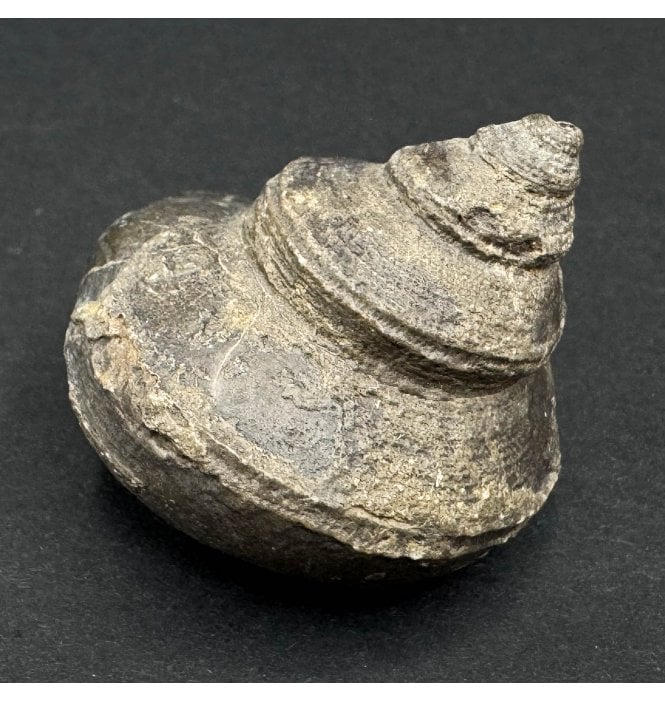


Approximately 359 million years ago, the second of the Phanerozoic Eon’s five mass extinction events occurred. The Late Devonian Extinction involved two separate pulses. The first devastated tropical taxa, including reef builders, ammonoids and the dominant placoderms, while the second wiped the placoderms out entirely (Phillips, 2022).
Scientists have not pinpointed a specific cause for this extinction event. Several factors have been suggested, including those mentioned by the Sam Noble Museum (2015). The leading theories suggest dramatic cooling and glaciation and the large expansion of land plants transporting nutrients to the ocean causing anoxia were the key causes. Another fascinating suggestion is that a nearby supernova damaged the ozone and inflicted catastrophic UV damage on the Earth’s life (Fields, Melott, Ellis & Thomas, 2020).
Carboniferous Period
The fifth and longest period of the Paleozoic Era began in the wake of the mass extinction that wiped out 96% of marine vertebrate species. While the Devonian Extinction is one of the most catastrophic events for pure casualty, it was almost entirely contained within the oceans.
Land life was in its infancy, compared to marine organisms, but the Carboniferous Period provided ample opportunity for flora and fauna to diversify further. Given its lengthy duration, the Carboniferous is formally divided into two subperiods, the Mississippian (359-323 million years ago) and the Pennsylvanian (323-299 million years ago).
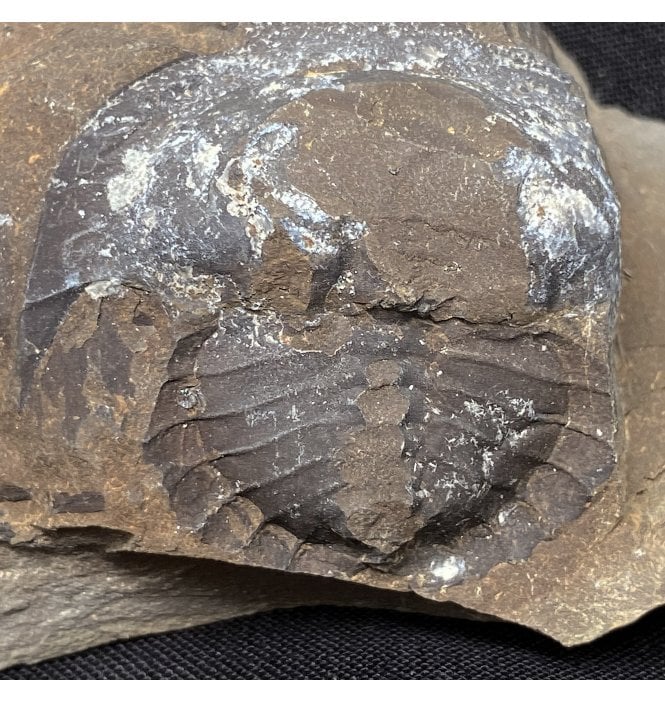
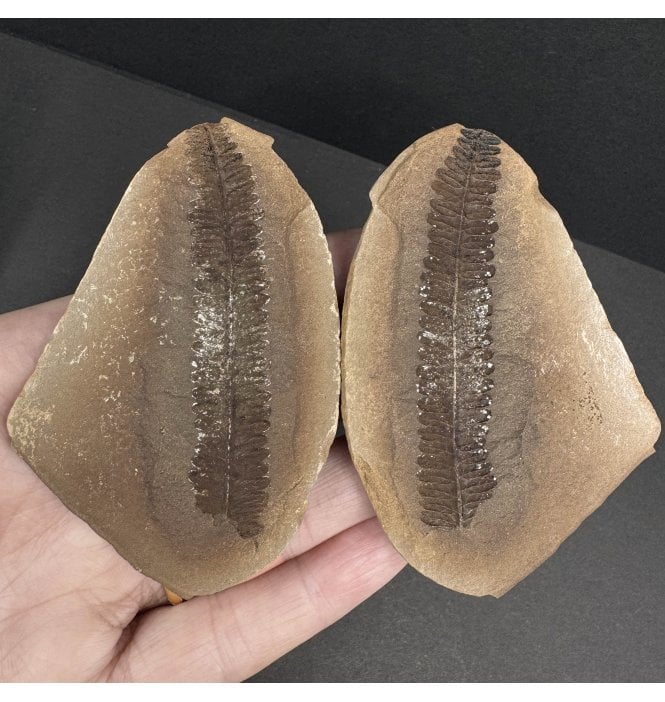

A significant division in North American fossil deposits separates the two subperiods, as illustrated by Paselk (2012). During the Mississippian, the midwest was covered by shallow seas following the mass extinction event, providing limestone. The Pennsylvanian, by contrast, was dominated by coal deposits from ever-increasing swamp forests.
Insects saw vast diversification during the Pennsylvanian with the emergence of the ancestral forms of modern insects, including grasshoppers, crickets and the first terrestrial scorpions (Manger, 2013).
Permian Period
While the Permian is most famous for the seismic mass extinction event that brought the period and the Paleozoic Era to an end, its approximately 47 million-year duration played host to incredibly significant developments for life, climate and the continents.
Or should we say continent? During the Early Permian, Gondwana collided with and joined southern Laurussia (also known as Euramerica), creating what would eventually become North America (J.R.P. Ross & C.A. Ross, 2014). By the midpoint of the period, the supercontinent Pangaea had fully assembled.

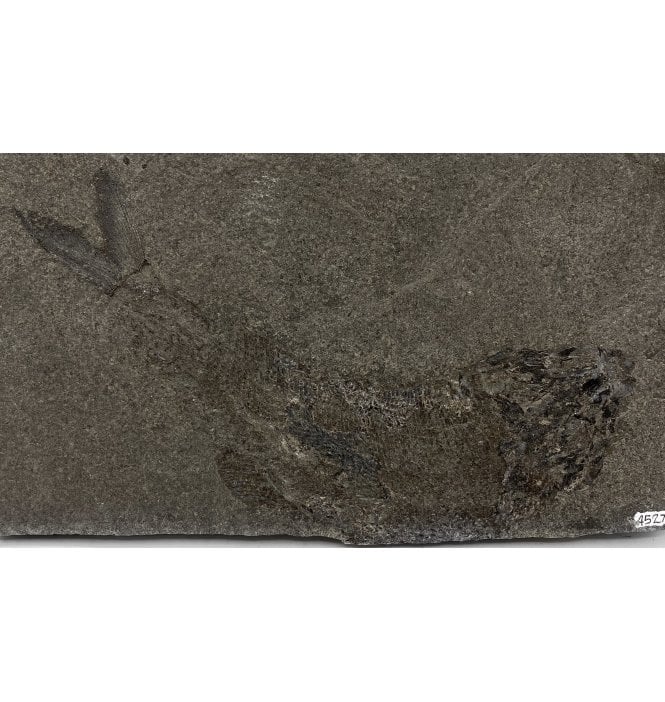

One of the most fascinating evolutionary developments during the Permian Period was the appearance of the first reptiles on land. Many of these early reptiles were cold-blooded, which posed problems as they needed to adapt to Pangaea’s erratic climate. Later reptiles, the therapsids, are thought to have become warm-blooded by conserving heat via the breakdown of food (National Geographic, 2017).
This adaptation allowed therapsids to diversify into many forms of great weight and size, dominating the land. Unfortunately, their reign would not be one to last as the world’s largest-ever extinction event wiped out a staggering 96% of marine species alongside 70% of terrestrial life (Erwin, 1994).
What caused The Great Dying?
It can be hard to conceptualise today what could possibly cause a tremendous loss of life in the ocean and on land. So hard, in fact, that not all scientists agree on what led to the largest extinction event in Earth’s history.
In the early 2000s, NASA funded research led by Luann Becker from the University of California, suggesting the Earth collided with a Mt. Everest-sized asteroid (2002). More recent research from German research centres and Scotland’s University of St Andrews (2020) claims to have provided a more “conclusive picture” of what ended the Paleozoic Era.


A popular theory prior to this research was that a significant period of volcanic activity in what is now Siberia was accelerated by tectonic plates colliding. The research, published in Nature Geoscience (2020), determined that the extinction event triggered a large CO2 pulse to the atmosphere due to the Siberian volcanic eruption. Over 100,000 billion tonnes of carbon was released into the atmosphere, triggering the devastating event.
Paleozoic fossils at Fossils UK
While the era ended on a catastrophic note, it paved the way for millions of years of developments and the world as it grew further into the planet we inhabit today. Delve into what happened post-Paleozoic in our articles detailing the events of the Mesozoic and Cenozoic Eras.
Learn more about this monumental era in our planet’s industry with beautiful Paleozoic fossils from our collection. These fossils provide a window into the distant past as we can analyse their features and preservation to learn more about their life, environment and climate. Choose Paleozoic fossils, including trilobites, insects and reptiles.
At Fossils UK, we’re dedicated to celebrating the history of our world’s creatures, and we want to share that celebration with you. Find fascinating fossils for your home or give a budding geologist the gift of their dreams with our vast collection of dinosaur fossils, shark teeth and ammonites.
Comments are closed here.