
Top 10 Facts About Sauropods
Imagine a creature so tall it could peek into a five-story window, with a neck long enough to reach across a whole swimming pool! These weren’t monsters from a movie—they were the Sauropods, the largest animals to ever walk on land.
From the famous Diplodocus to the massive Brachiosaurus, Sauropods were the true heavyweights of the dinosaur world. They roamed the Earth for a staggering 133 million years, leaving behind enormous footprints and even bigger mysteries for us to solve today.
Whether you are doing a school project or you are ready to start your own dinosaur fossil collection, learning about these “lizard-footed” legends is an epic adventure.
Are you ready to meet the biggest dinosaurs in history? Let’s stomp into our top 10 facts about Sauropods!
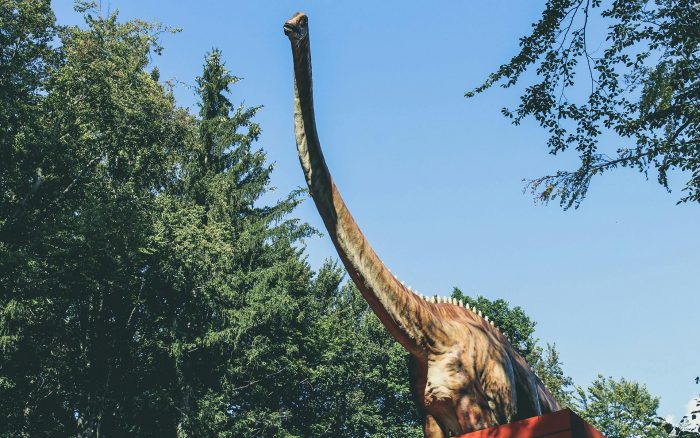
- Which dinosaurs class as Sauropods?
The defining features of Sauropods were their incredibly long necks, large tails, relatively small heads, and their thick, trunk-like legs. These incredible beings came in many forms, but the most famous examples include:
- Argentinosaurus
- Brachiosaurus
- Diplodocus
- Dreadnoughtus
- Patagotitan
- How long did Sauropods live?
Sauropods roamed the planet, in one way or another, for approximately 133 million years. The oldest known Sauropod, the Isanosaurus, was believed to have lived during the Early Jurassic period. The last Sauropods were wiped out during the mass extinction event that killed all dinosaurs on Earth. The lifespans of individual dinosaurs in this category ranged from 50 to 100 years, with some living even longer!
- What did Sauropods eat?
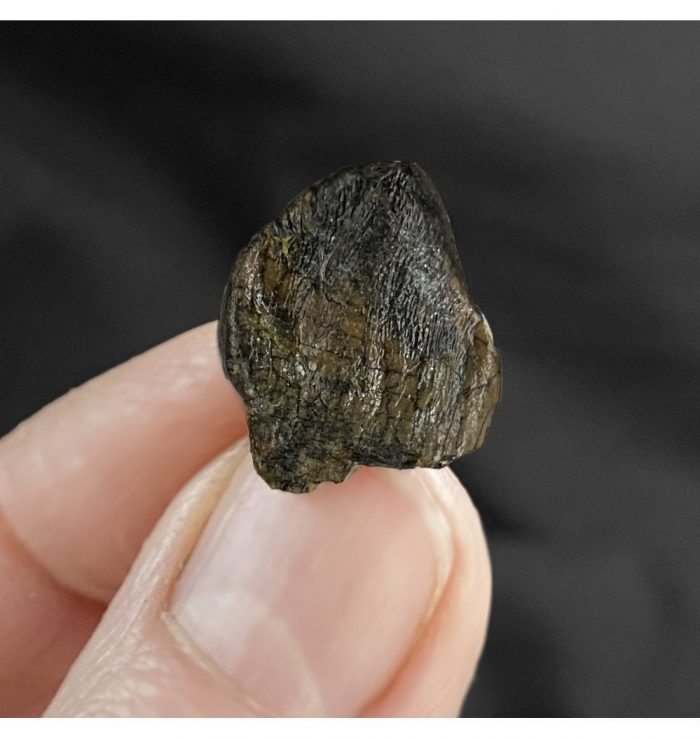
All Sauropods were big, friendly giants, at least in the context of food. They all had herbivorous diets and fed on various plants that their incredibly long necks allowed them to reach. Sauropods had simple teeth that enabled them to strip rather than chew their food. Vegetation and plants were likely swallowed whole and broken down in the gut. Get a closer look at how Sauropods ate with our rare Middle Jurassic Eusauropod tooth.
- How did Sauropods defend themselves?
Any Sauropod would have likely been one of the largest creatures alive during any given period between the Triassic and the Cretaceous; that size was often enough to fend off any predators whose eyes were too big for their stomachs. It didn’t stop plenty from trying, though. Sauropods would often use their powerful legs and huge tails to deflect any danger. Many Sauropod species also lived in herds, giving predators even more reason to keep their distance.
- How did Sauropods support their weight?
We just mentioned the size of Sauropods’ legs. These pillar-like foundations were made of strong bones, with protective tissue padding on their feet, providing extra support. Some Sauropods, including Titanosaurus, had wide hips, which helped provide a stable base for their bodies. The low centre of gravity (well, low for Sauropods) allowed them to move comfortably, albeit not exactly quickly.

- Which Sauropod had the longest neck?
As recently as 2023, researchers believed they had identified the longest-necked dinosaur ever. Named “Mamenchisaurus”, the Late Jurassic Sauropod was discovered in China in 1987, but it wasn’t until the last few years that the true scale of this dinosaur’s neck became clear to experts. The area of Xinjiang is a fossil gold mine that has produced many vertebrate remains from the Mid-Late Jurassic onwards. The Mamenchiasaurus’ neck measured a whopping 15 metres!
- Difference between Sauropods and Theropods
Sauropods and Theropods are the two most well-known types of saurischian (lizard-hipped) dinosaurs, so it can be easy to get the two mixed up. We’ve made a handy guide so you can tell them apart:
| Feature | Sauropods | Theropods |
| Diet | Herbivores: They only ate plants, leaves, and tree branches. | Carnivores: Most were meat-eaters (though some later ones ate plants!). |
| Walking Style | Four legs: They were so heavy they needed all four legs to walk. | Two legs: They ran and walked on their powerful back legs. |
| Neck & Tail | Very long necks for reaching high trees and long tails for balance. | Shorter, muscular necks and stiff tails to help them turn while running. |
| Feet | Large, trunk-like feet (a bit like an Elephant). | Bird-like feet with sharp claws for gripping or slashing. |
| Examples | Diplodocus, Brachiosaurus, Brontosaurus. | Tyrannosaurus rex, Velociraptor, Spinosaurus. |
| Collector Tip | Sauropod teeth are often peg-shaped or spoon-shaped for stripping leaves! | Theropod teeth are usually sharp, curved, and serrated (like a steak knife). |
- When was the first Sauropod discovery?
The first dinosaurs now known as Sauropods, were discovered and named by English expert Richard Owen in 1841. He named them Cetiosaurus and Cardiodon, respectively, but mistakenly interpreted them as giant crocodiles. Later finds and further research led to the term Sauropod being coined by Othniel Charles Marsh in 1878.
- What does the word Sauropod mean?
Marsh got its name from the Ancient Greek language, meaning “lizard-footed”.
- Where did Sauropods live?
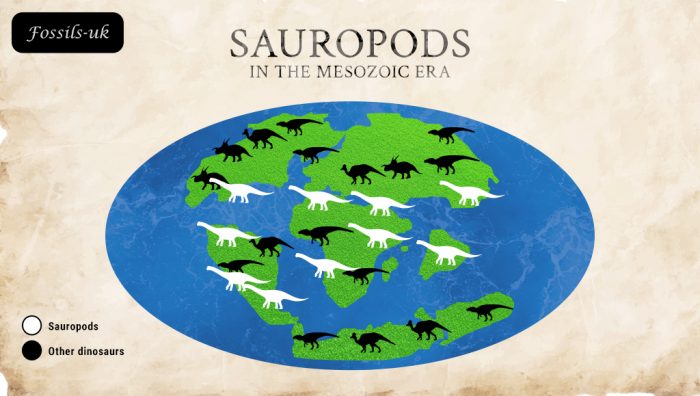
Given the many different species across various periods, Sauropods made their homes all over the world. Research suggests that, despite their widespread distribution, Sauropods generally preferred warmer, more tropical climates that resembled the savannahs we see today. Sauropods may have had different thermal requirements than other dinosaurs. See our map to learn more:
QUIZ: Test your Sauropod knowledge
Time to put your newly learned Sauropod facts to the test in our interactive quiz!
1. What does the name “Sauropod” actually mean?
2. How many legs did a Sauropod use to walk?
3. Approximately how long did Sauropods roam the Earth as a group?
4. Which of these was a famous Sauropod with a neck that measured 15 metres?
5. What type of teeth did Sauropods have to help them strip leaves from plants?
Browse Sauropod fossils at Fossils UK
Looks like we’ve got a real Sauropod expert on our hands, great job!
Because Sauropods were so huge, their bones and teeth are some of the most impressive fossils you can find. Finding a fossilised Sauropod tooth is like holding a piece of a real-life giant in your hand! At Fossils UK, we love helping young palaeontologists discover these amazing relics from the Jurassic and Cretaceous periods.
Continue your journey through the prehistoric world by browsing our range of Sauropod fossils. Want to learn more? Receive amazing insight into the world before our time with our full dinosaur fossils collection and by reading our blog.
Comments are closed here.