
Dinosaur Teeth
Browse magnificent dinosaur teeth ethically sourced and hand-selected directly from finders, collectors, dig sites and mines. These dinosaur teeth give us a fascinating look at the creatures that lived years before us. An important source for research, education, and knowledge about an array of prehistoric animals, dinosaur teeth featured in our collection are sourced from the United States, Morocco, and more. Add exciting fossils to your collection with our rare dinosaur teeth, which arrive in a high-quality box with a species and locality label. Browse our equally fascinating shark teeth collection for more.
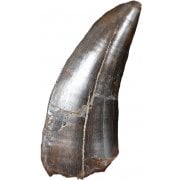
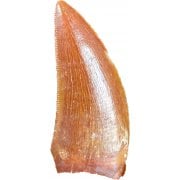

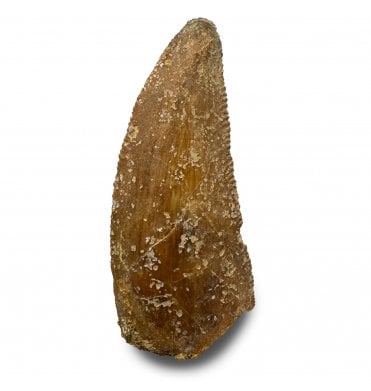
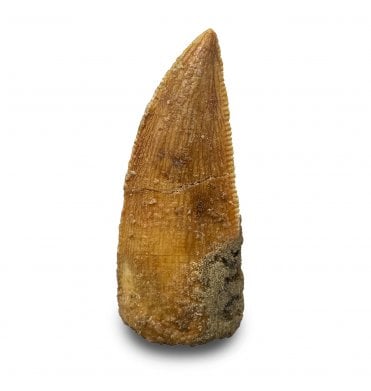
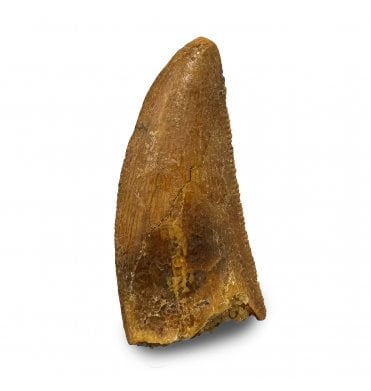
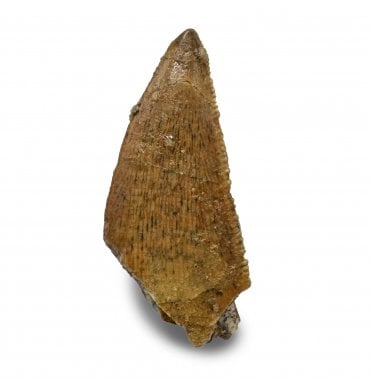
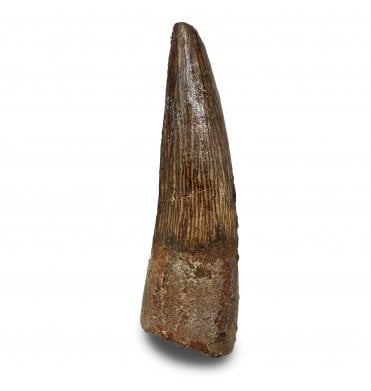
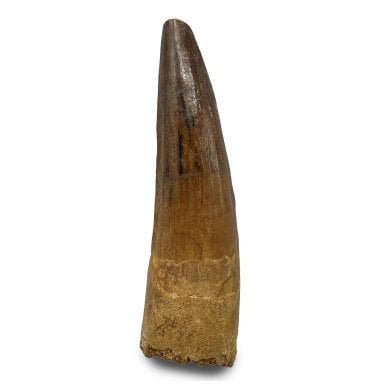
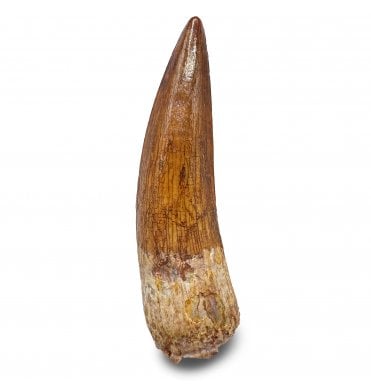
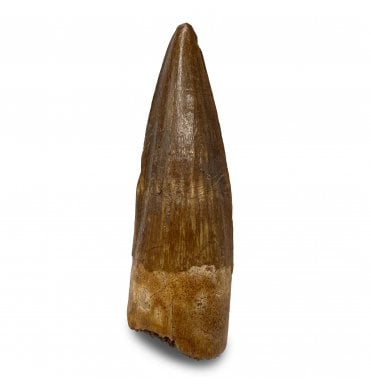
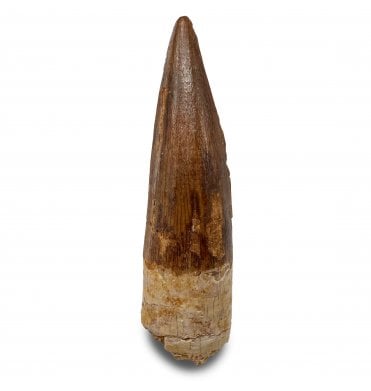
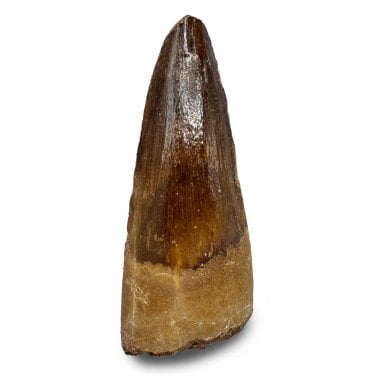
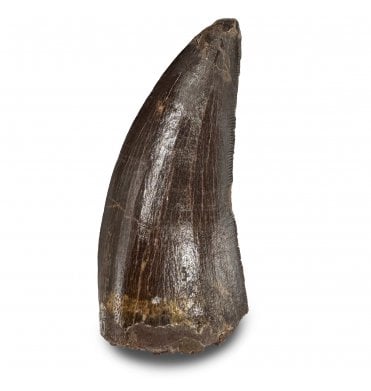
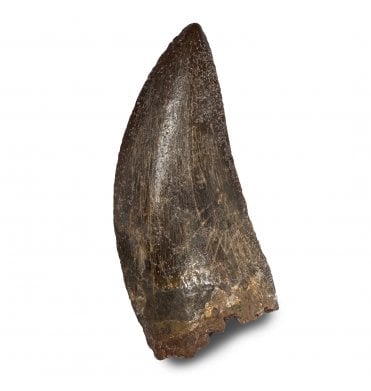
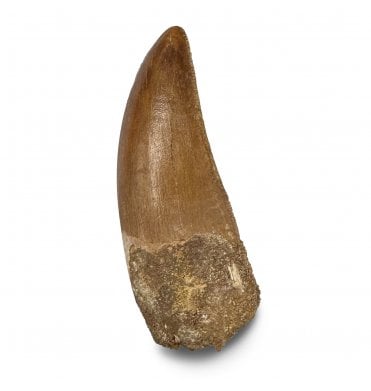
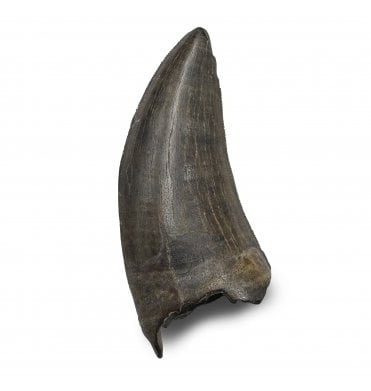
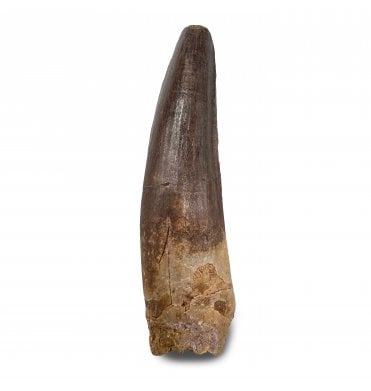
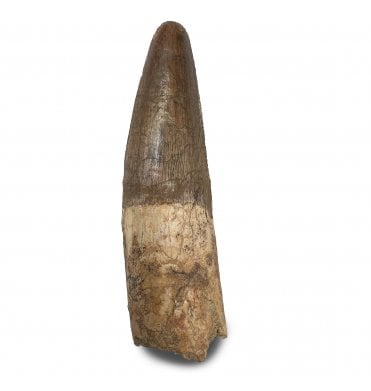
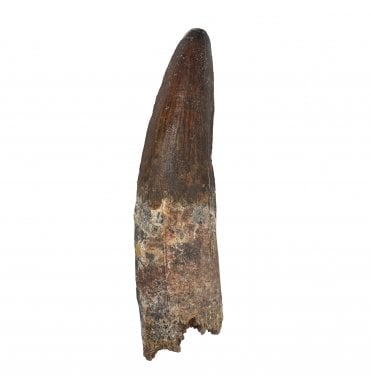
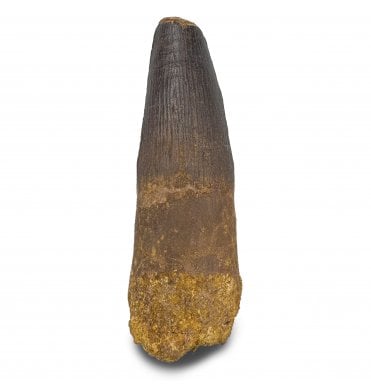
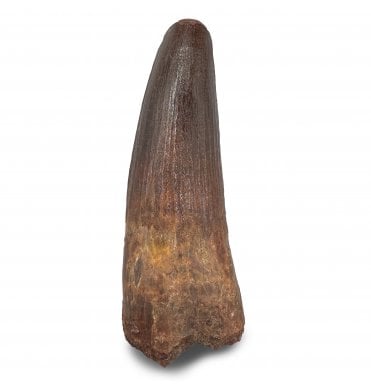
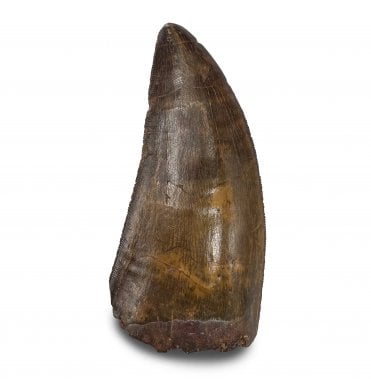
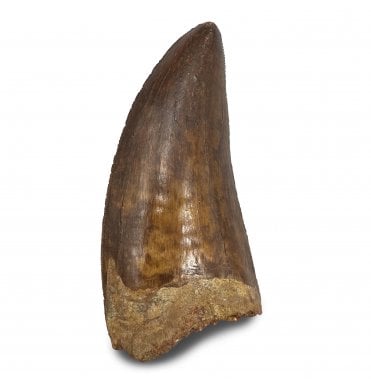
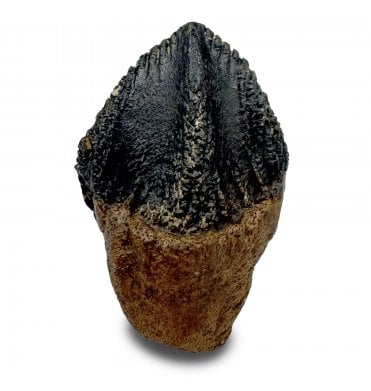
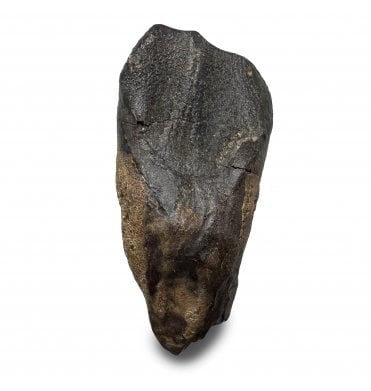
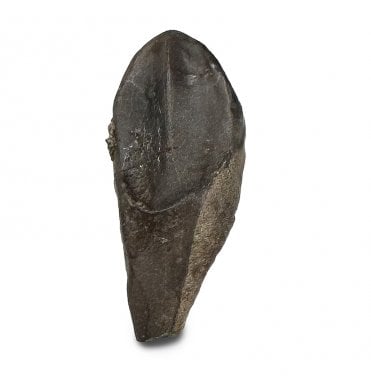
This collection of rare dinosaur fossils gives us amazing insight into the world and creatures that preceded the environment we’re familiar with today. Dinosaur teeth provide information about the scale and size of the spectacular reptiles that have captivated many of us. Own a dinosaur tooth from our selection today and show it off on your desk or mantelpiece. Dinosaur teeth are a perfect gift for dinosaur lovers of all ages, so choose from our collection today.
How to identify a dinosaur tooth
Seeing dinosaur teeth presented and advertised can automatically spark excitement and a strong urge to order, understandably so! However, knowing if you’re looking at the real deal is important. At Fossils UK, our dinosaur teeth are ethically sourced and undergo rigorous authenticity checks. You will even receive a label with the species and location of your order.
Key dinosaur tooth grading factors
When assessing the quality of a dinosaur tooth online, keep these common grading criteria in mind to decide whether it’s worth the price:
-
Completion: Teeth that retain the highest percentage of their original properties are often valued the highest. The root and the crown are the two most important areas that collectors focus on.
-
Enamel Preservation: A smooth enamel can be a considerable factor in the value of a dinosaur tooth. Heavy erosion can often lead to a lower grade.
-
Serration Detail: Carnivores used their teeth as sharp, incisive entry points to their prey. Collectors prefer any tooth fossils that maintain this sharpness and distinctive edge.
-
Restoration: While some collectors prefer their fossils to be in the best possible condition, restoration and repair may be off-putting to others, as they feel the natural and raw appeal has been compromised.
-
Size: Large teeth from rare or popular dinosaurs, such as those of the T. rex, are incredibly popular and receive high grades.
-
Colour: Some collectors want a unique piece. That’s why dinosaur teeth with unusual or vivid colours are often very popular. However, others prefer the darker, natural tones because they show the fossil has been protected from mineral infiltration.
What kind of teeth did dinosaurs have?
Due to the sheer number of dinosaur species, the kind of teeth these creatures had varied. Whether due to diet, size, or other factors, different dinosaurs had teeth suited to their specific purposes. Humans have two sets of teeth during their lives (milk teeth and adult teeth), whereas dinosaurs and reptiles continuously replace their teeth. This fact is why you see so many of the same type of tooth for sale. Whilst humans have different types of teeth, such as molars and premolars, Dinosaurs have just one kind of tooth throughout their mouth, with the only difference being the size of each tooth. However, most meat-eating dinosaurs would have cone-shaped front teeth to help grip and pull prey.
How much are dinosaur teeth worth?
Retail prices vary widely by species and preservation quality. Spinosaurus teeth offer a fantastic, affordable entry point for beginners because they're abundant in North African fossil beds. Conversely, rare tyrannosaurid specimens reach premium investment brackets. These high values reflect the intense global demand and the sheer scarcity of complete material. Minor feeding wear is expected on authentic items, but flawless enamel will always secure the highest possible valuation.